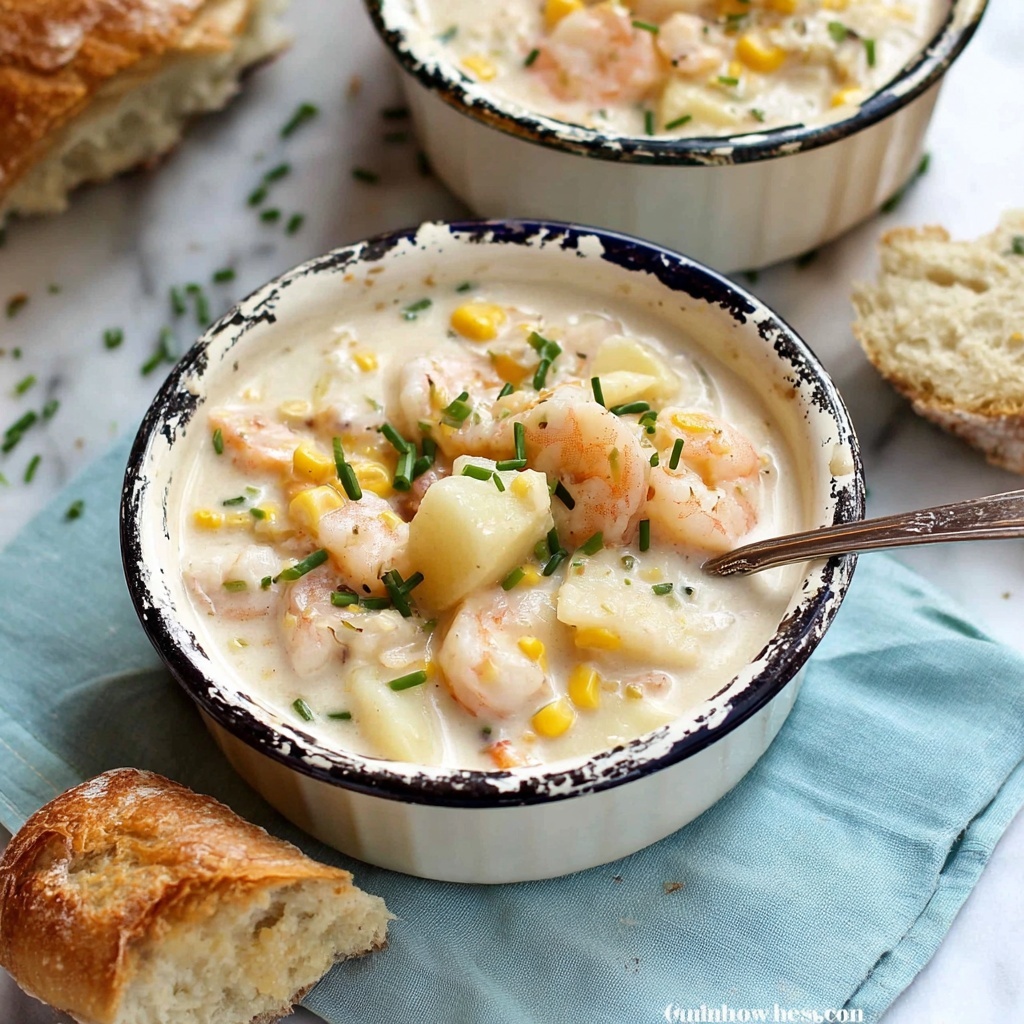
If you have a craving for hearty, comforting flavors from the sea, this Seafood Chowder Recipe is exactly what you need. It’s a luscious blend of fresh seafood, creamy broth, tender vegetables, and smoky bacon that comes together in just 40 minutes to create a bowl full of warmth and satisfaction. Whether you’re a seafood lover or just want to impress friends and family, this recipe delivers every time with its rich texture and perfectly balanced flavors.
Ingredients You’ll Need
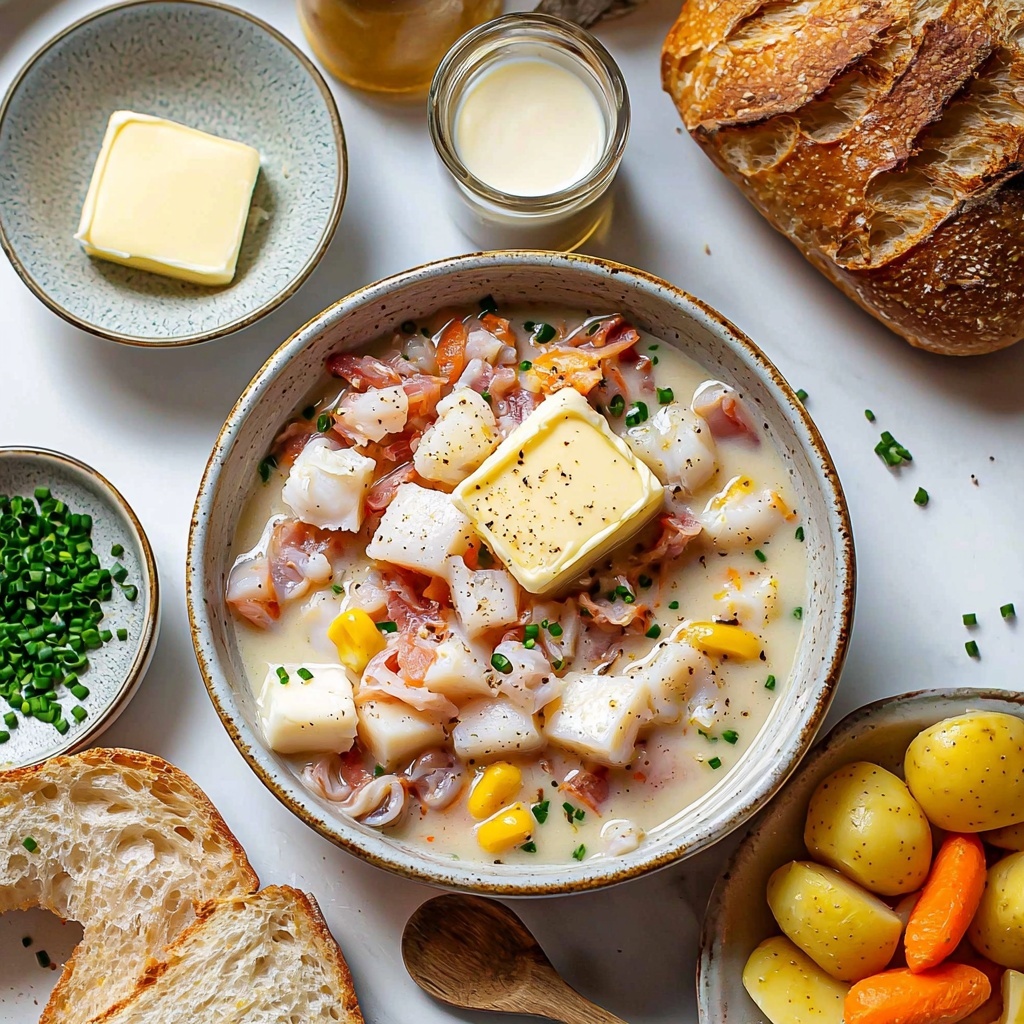
The beauty of this Seafood Chowder Recipe lies in its straightforward ingredients, each playing a crucial role in building depth, richness, and a bit of freshness. From the smoky bacon to the creamy broth and fresh seafood, every component adds texture, taste, or color that makes this chowder truly special.
- 650g/1.3lb seafood marinara mix or mixed fresh seafood: A vibrant mix of fish, squid, prawns, and cooked mussel meat offers varied textures and a fresh ocean flavor.
- 50g (3 tbsp) unsalted butter: Critical for richness and helps cook the bacon to perfection without burning.
- 100g/4oz streaky bacon, chopped into 1.5cm / 1/2″ squares: Provides a smoky, salty backbone that lifts the whole chowder.
- 2 cloves garlic, finely minced: Adds aromatic depth without overpowering the other flavors.
- 1/2 cup chardonnay or other dry white wine (optional): Brings a delicate acidity that balances the creamy elements.
- 1/3 cup flour (plain/all-purpose): The thickening agent for a velvety chowder; can be substituted with gluten-free flour if preferred.
- 1 litre (4 cups) chicken stock/broth, low sodium or homemade fish stock: A flavorful base that simmers everything together, with homemade fish stock highly recommended for the best results.
- 2 medium carrots, peeled and cut into 7mm / 1/3″ pieces (~1 1/2 cups): Adds a subtle sweetness and color contrast.
- 2 large potatoes, peeled and cut into 1cm / 0.2″ cubes (~2 1/2 cups): Creates heartiness and helps thicken the chowder naturally.
- 1 cup thickened cream / heavy cream: Makes the chowder luxuriously smooth; you can use milk for a lighter touch if you prefer.
- 1 cup corn (frozen or canned, drained): Offers a pop of sweetness and texture diversity.
- 2 tsp fish sauce: A secret umami boost that deepens the seafood flavor.
- Pinch white pepper: Provides gentle heat and enhances all the savory notes.
- 3 tbsp chives or parsley, finely chopped: Fresh herbs to brighten the final presentation.
- Crusty bread or garlic bread: Essential for soaking up every last drop of chowder goodness.
How to Make Seafood Chowder Recipe
Step 1: Cook the Bacon and Prepare the Base
Begin by melting the butter in a heavy-based pot over medium heat. Add the chopped streaky bacon and cook for about 3 to 4 minutes, just until the edges turn a lovely golden brown. Using a slotted spoon, remove the bacon to a bowl, leaving the flavorful fat in the pot. Next, toss in the minced garlic and cook for just 10 seconds—watch closely to avoid browning as you want it fragrant and mellow. Now, pour in your white wine and increase the heat to high. Let it simmer vigorously for around 3 minutes, gently scraping the bottom of the pot to lift those gorgeous browned bits left from the bacon. This deglazing step is crucial because it adds an extra layer of depth to your chowder.
Step 2: Make the Roux and Add the Stock
Lower the heat to medium and sprinkle in the flour. Stir continuously for 1 minute to cook out the raw flavor and create a smooth roux. Slowly add about one cup of your stock to the pot while stirring constantly to dissolve the roux—it will thicken to a paste-like consistency. Gradually pour in the remaining stock while whisking to ensure there are no lumps. This step builds the creamy, thick base that will coat every piece of seafood perfectly.
Step 3: Simmer Vegetables and Bacon
Turn the heat up to high and bring the mixture to a boil. Add the carrots, potato cubes, and reserved bacon. Reduce the heat to medium and let everything simmer gently for 10 to 12 minutes, or just until the carrots soften and the potatoes are tender but not mushy. This combination of tender vegetables adds both texture and sweetness to the chowder base, complementing the seafood beautifully.
Step 4: Add Cream, Corn, and Seafood
Stir in the thickened cream, fish sauce, white pepper, and corn kernels. Now it’s time to gently add the raw seafood portion of your mix and let it simmer for 3 minutes, just enough for the fish to flake and the squid and prawns to become tender. Avoid overcooking since delicate seafood can turn rubbery if left too long.
Step 5: Stir in Cooked Seafood and Final Seasoning
Finally, fold in the cooked seafood—the cooked mussels or any already-prepared shellfish come in here. Give it a good stir and taste for salt, adjusting if necessary. The chowder should be perfectly seasoned with the smoky bacon, the umami from fish sauce, and the gentle peppery note binding everything together.
How to Serve Seafood Chowder Recipe
Garnishes
A sprinkle of freshly chopped chives or parsley on top adds a burst of color and a subtle herbal freshness that balances the richness of the chowder. It’s a simple touch that makes each bowl look inviting and feel complete.
Side Dishes
Crusty bread or, if you want to go all out, garlic bread is the perfect companion to this chowder. Their crunchy texture and buttery flavor provide the ideal contrast for dipping into the creamy broth and scooping up tender pieces of seafood and vegetables.
Creative Ways to Present
Serve the chowder in rustic soup bowls or even mini cast-iron skillets for a cozy feel. Add a lemon wedge on the side to let guests brighten their chowder if they like a little zing. For a special occasion, garnish with a few edible flowers or a drizzle of smoked paprika oil for a colorful twist.
Make Ahead and Storage
Storing Leftovers
Seafood chowder is best enjoyed fresh, but you can keep leftovers refrigerated for up to 3 to 4 days. Store it in an airtight container to preserve flavors and prevent the seafood from absorbing other odors in the fridge. Revisit it within this time frame to enjoy the chowder at its tastiest.
Freezing
Because the chowder contains cream and delicate seafood, freezing is not recommended. The texture of the cream may separate and the seafood can become tough and watery upon thawing. For the best-quality chowder, enjoy it fresh or refrigerated within a few days.
Reheating
When reheating seafood chowder, do so gently on the stovetop over low heat. Stir frequently to prevent sticking or scorching, and heat just until warmed through to avoid overcooking the seafood. Avoid using a microwave to preserve the chowder’s smooth texture and flavor balance.
FAQs
Can I use frozen seafood for this Seafood Chowder Recipe?
Absolutely! Frozen seafood works well if fresh isn’t available, just make sure to thaw it properly and pat it dry before adding it to the chowder to avoid excess water diluting the flavors.
Is it necessary to use bacon in this recipe?
While bacon adds wonderful smokiness and depth, you can omit it for a lighter version or use smoked paprika or a smoky seasoning as a substitute to keep that flavor profile.
Can I make this chowder dairy-free?
Yes, you can substitute the cream with coconut milk or a dairy-free creamer, but keep in mind this will subtly change the flavor and creaminess of the chowder.
What is the best seafood to use for this chowder?
A combination of firm fish, squid, prawns, and cooked mussel meat gives the best variety in texture and flavor, but you can customize it based on what’s fresh or available in your local market.
Can I prepare the broth from scratch?
Definitely! Homemade fish stock or chicken stock will elevate your Seafood Chowder Recipe by adding rich, fresh flavors that store-bought options can’t match.
Final Thoughts
There’s just something so satisfying about digging into a warm bowl of this Seafood Chowder Recipe on a cool day. It’s easy to prepare, packed with wholesome ingredients, and bursting with flavor that feels like a comforting hug from the sea. I hope you’ll give it a try and make it a new favorite at your table — don’t forget the crusty bread for dunking!
Print
Seafood Chowder Recipe
- Prep Time: 10 minutes
- Cook Time: 30 minutes
- Total Time: 40 minutes
- Yield: 4 servings
- Category: Soup
- Method: Stovetop
- Cuisine: Seafood
Description
A rich and creamy seafood chowder featuring a mix of fresh seafood, smoky bacon, and tender vegetables simmered in a flavorful broth, finished with cream and fresh herbs. Perfectly paired with crusty bread for a comforting, satisfying meal.
Ingredients
Seafood
- 650g (1.3lb) seafood marinara mix or mixed fresh seafood (fish, squid, prawns, cooked mussel meat)
- Cut large pieces of fish into 2.5cm (1″) cubes
Base
- 50g (3 tbsp) unsalted butter
- 100g (4oz) streaky bacon, chopped into 1.5cm (1/2″) squares
- 2 cloves garlic, finely minced
- 1/2 cup Chardonnay or other dry white wine (optional)
- 1/3 cup (approx. 45g) plain/all-purpose flour (see note for gluten-free option)
- 1 litre (4 cups) low sodium chicken stock or homemade fish stock (avoid store-bought fish stock)
Vegetables & Others
- 2 medium carrots, peeled, cut into 7mm (1/3″) pieces (~1 1/2 cups)
- 2 large potatoes, peeled, cut into 1cm (0.2″) cubes (~2 1/2 cups)
- 1 cup thickened cream/heavy cream (milk can be substituted for a lighter option)
- 1 cup corn (frozen or canned, drained)
- 2 tsp fish sauce
- Pinch white pepper (can substitute black pepper)
- 3 tbsp chives or parsley, finely chopped (for garnish)
- Crusty bread or garlic bread (for serving)
Instructions
- Prepare Marinara Mix: Separate cooked seafood (such as mussels and sometimes prawns) from raw seafood. Cut any large pieces of fish into 2.5cm (1″) cubes to ensure even cooking.
- Cook Bacon: In a heavy-based pot, melt the butter over medium heat. Add the chopped bacon and cook for 3-4 minutes until the edges are light golden. Use a slotted spoon to remove the bacon and set aside, leaving the bacon fat in the pot.
- Sauté Garlic and Deglaze: Add finely minced garlic to the pot and cook for about 10 seconds, careful not to brown it. Pour in the white wine and simmer rapidly on high heat for 3 minutes, scraping the pot’s base to loosen any browned bacon bits, until the wine mostly evaporates.
- Make Roux: Reduce heat to medium and add the flour to the pot. Stir continuously for 1 minute to cook the flour and form a roux base for thickening.
- Add Stock and Form Base: Gradually pour in about 1 cup of the stock while stirring to dissolve the roux, creating a thick paste. Then add the remaining stock while stirring vigorously to prevent lumps. Use a whisk if necessary to achieve a smooth broth.
- Simmer Vegetables and Bacon: Increase heat to high and bring the mixture to a boil. Add the chopped carrots, potatoes, and reserved cooked bacon. Lower the heat to medium and simmer uncovered for 10-12 minutes, or until carrots are just tender but still hold shape.
- Cook Raw Seafood and Finish Chowder: Stir in the cream, fish sauce, white pepper, corn, and raw seafood mix. Simmer gently for 3 minutes, allowing the seafood to cook through; fish should flake easily when done.
- Add Cooked Seafood and Season: Gently fold in the pre-cooked seafood pieces to warm them through. Taste the chowder and adjust salt if needed (usually the fish sauce provides enough seasoning).
- Serve: Ladle chowder into bowls, sprinkle generously with chopped chives or parsley, and serve with warm crusty bread or garlic bread for dunking.
Notes
- Note 1: Cooked seafood in the marinara mix, such as mussels and some prawns, should be added later to avoid overcooking.
- Note 2: Homemade fish stock is preferred as store-bought fish stock may be too salty or lack depth.
- Note 3: For a gluten-free version, substitute plain flour with a gluten-free flour blend that works well as a roux base.
- Using cream adds richness but can be substituted with milk for a lighter chowder.
- White pepper is traditional and gives a subtle heat without black specks in the chowder.
- Add wine if desired for added depth, but it can be omitted if preferred.