“`html
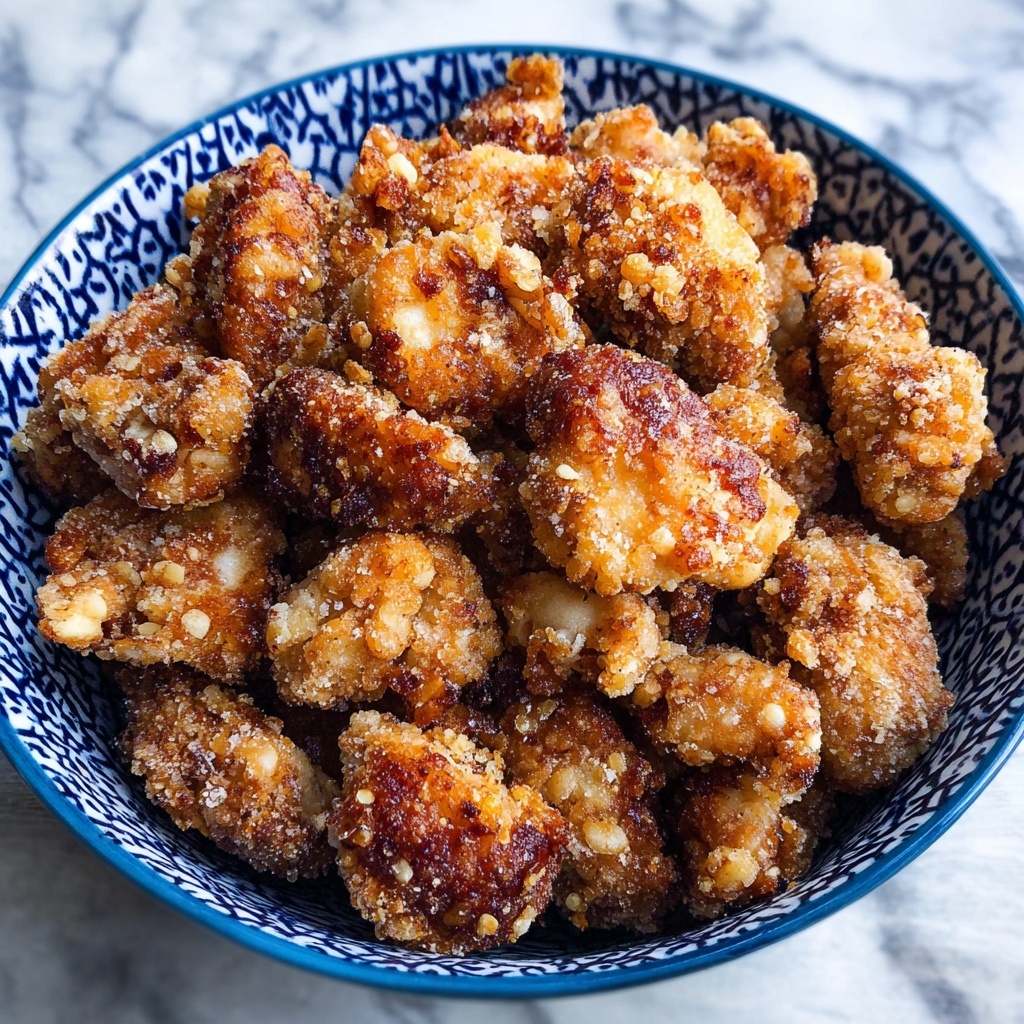
If you’re craving a crispy, juicy bite with layers of flavor that truly pop, this Double-Fried Karaage Chicken Recipe is exactly what you need on your plate. It’s all about that gorgeous golden crunch combined with tender, marinated chicken pieces that deliver a perfect balance of savory, sweet, and umami notes. The double-frying technique ensures an ultra-crisp exterior that stays delightfully light while locking in moisture, making every mouthful an irresistible experience you’ll want to share with friends and family.
Ingredients You’ll Need
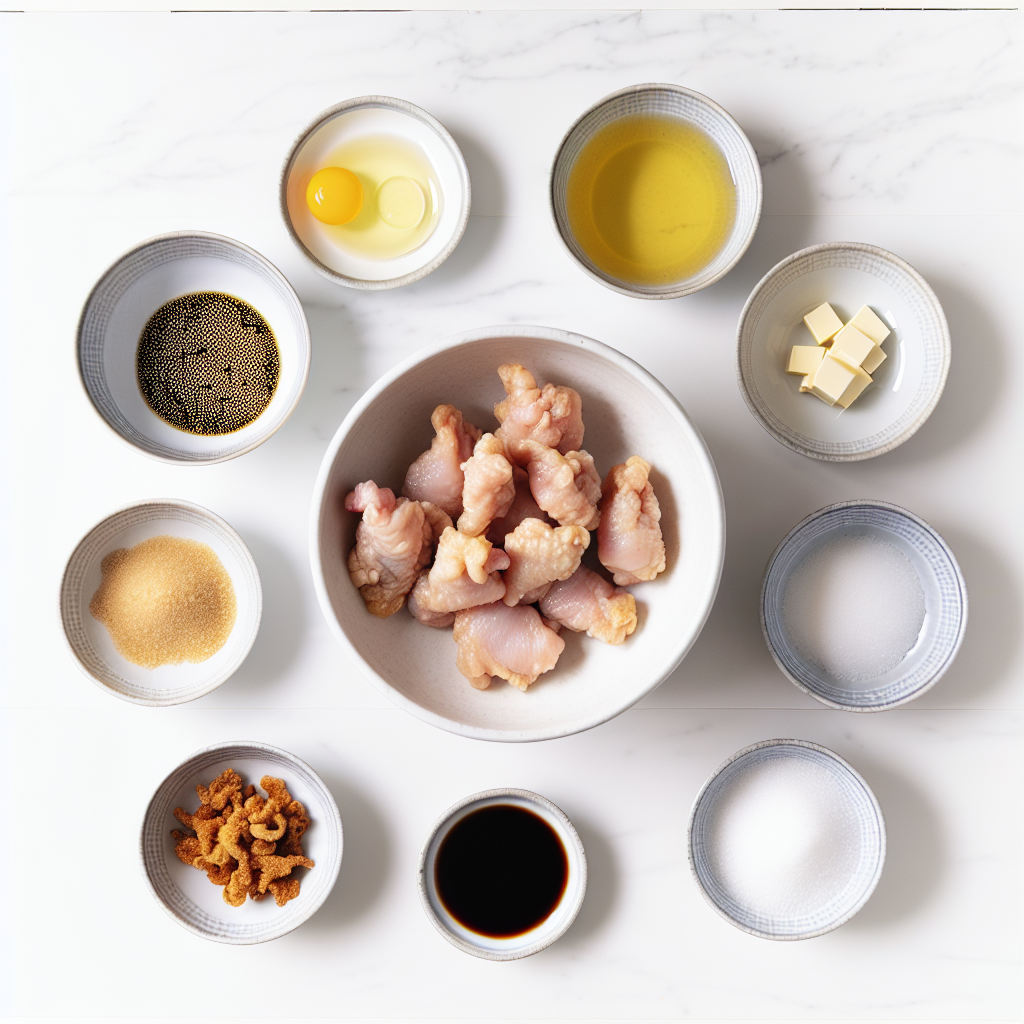
The beauty of this dish lies in its straightforward but essential ingredients that each play a key role in building the authentic taste and texture you expect from karaage chicken. From the tenderizing touch of sake and soy to the slight kiss of ginger and toasted sesame oil, every item elevates the final result beautifully.
- Soy sauce: Adds savory depth and saltiness that forms the marinade’s backbone.
- Sake or mirin: Brings a subtle sweetness and tenderizes the chicken for juicy bites.
- Sesame oil: Infuses a nutty aroma that’s signature in Japanese cooking.
- Peeled minced fresh ginger: Lifts flavors with a mild zing, balancing rich and savory elements.
- Sugar: Provides a hint of sweetness to round out the marinade’s profile.
- Kosher salt: Enhances all the seasonings and ensures the chicken is perfectly seasoned.
- Boneless skinless chicken thighs: The star ingredient; thighs remain tender and juicy after frying.
- Freshly ground black pepper: Adds just enough heat and complexity.
- Oil for frying: Crucial for achieving the perfect double-fried crispiness.
- Potato starch or cornstarch: Creates an ultra-crisp coating during frying.
How to Make Double-Fried Karaage Chicken Recipe
Step 1: Prepare the Marinade
Start by whisking together soy sauce, sake or mirin, sesame oil, peeled minced fresh ginger, sugar, kosher salt, and freshly ground black pepper until well combined. This simple yet flavorful marinade will tenderize the chicken and infuse it with irresistible savory sweetness, setting the stage for all the crunchy magic to come.
Step 2: Marinate the Chicken
Next, toss your bite-sized chicken thigh pieces with the marinade, making sure every piece is evenly coated. Refrigerate the chicken for 30 to 60 minutes. This resting time lets the flavors deeply soak in, making the chicken exceptionally juicy and flavorful inside once cooked.
Step 3: Coat and Rest
Once marinated, lightly coat the chicken with potato starch or cornstarch. This layer forms the crucial crispy crust during frying. Let the coated chicken rest for 5 minutes. This brief pause allows the starch to adhere properly, guaranteeing that satisfyingly crunchy texture after frying.
Step 4: First Fry at 325°F
Heat your oil to 325°F and gently fry the chicken pieces until they’re fully cooked through. This initial fry cooks the meat gently without browning it too much, locking in the juiciness while preparing the coating for the final crisp.
Step 5: Second Fry at 375°F
Remove the chicken and let it rest briefly. Then increase your oil temperature to 375°F for the second fry. This step crisps up the exterior to a stunning golden hue with an addictive crunch. It’s the key to getting that iconic karaage texture that’s light yet crunchy, unlike any regular fried chicken.
Step 6: Drain and Serve Hot
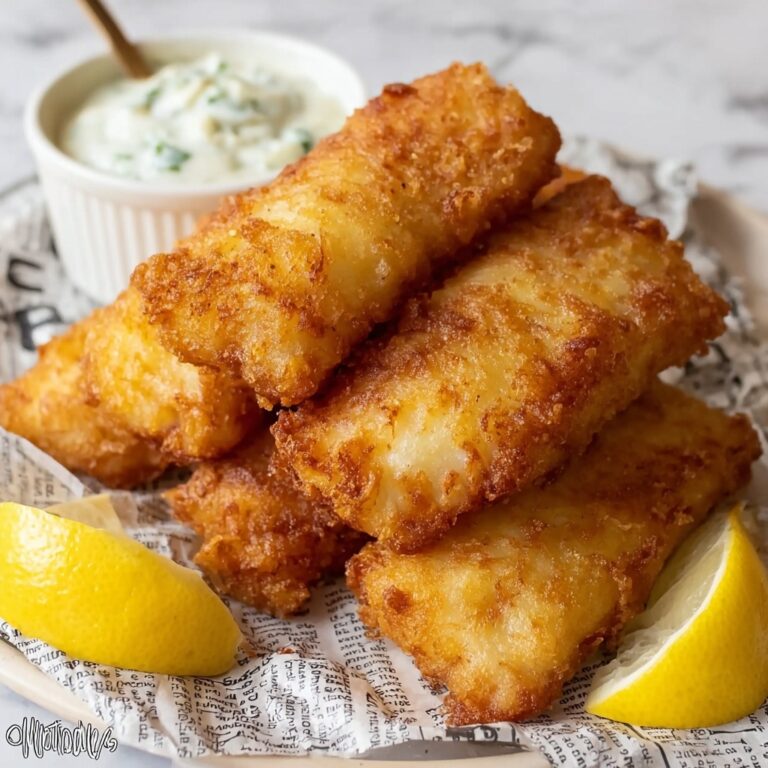
Drain the double-fried karaage chicken briefly on paper towels to remove excess oil. Serve immediately while it’s still hot and tempting. The contrast between the golden crispy crust and the juicy seasoned chicken inside is truly irresistible.
How to Serve Double-Fried Karaage Chicken Recipe
Garnishes
Fresh garnishes like thinly sliced scallions or a sprinkle of toasted sesame seeds add freshness and a subtle crunch, completing the dish visually and texturally. A wedge of lemon can also brighten the rich flavors with a fresh citrus bite that balances each crispy morsel beautifully.
Side Dishes
Pair your Double-Fried Karaage Chicken Recipe with simple, complementary sides like steamed white rice or a crunchy cabbage salad tossed in a light dressing. Miso soup is a classic, warming choice that rounds out this meal perfectly without overpowering the main star.
Creative Ways to Present
Try serving karaage chicken in bento boxes for a charming, authentic touch or pile the crispy chicken atop a bed of soba noodles with a light dipping sauce. For a fun twist, use the karaage pieces as the protein in a fusion taco with pickled vegetables and spicy mayo for a delightful flavor mashup.
Make Ahead and Storage
Storing Leftovers
Leftover Double-Fried Karaage Chicken Recipe keeps well in an airtight container in the refrigerator for up to three days. Store it separately from garnishes or sauces to maintain maximum crispness when reheated.
Freezing
You can freeze the cooked chicken in a single layer on a baking sheet before transferring to a freezer-safe bag. This prevents sticking and keeps the coating intact. Frozen karaage chicken can last up to a month, making it a fantastic ready-made treat.
Reheating
To reheat while preserving that lovely crunch, bake the karaage chicken on a wire rack in a preheated oven at 375°F for about 10-15 minutes. Avoid microwaving if you want to keep the exterior crispy and the inside tender and juicy.
FAQs
What is the difference between karaage and regular fried chicken?
Karaage typically uses a marinade before coating the chicken in starch and employs a double-frying method, resulting in a lighter, crispier crust. Regular fried chicken often uses a flour-based batter and is usually fried once, creating a thicker, heavier crust.
Can I use chicken breasts instead of thighs?
While chicken breasts can be used, thighs are preferred due to their higher fat content which keeps the meat juicy and tender after frying. Breasts might dry out more easily during the double-frying process.
Why is double-frying necessary?
The first fry cooks the chicken through gently, while the second fry at a higher temperature crisps the exterior to perfection. This technique creates that signature crunch without overcooking the chicken inside.
What starch works best for the coating?
Potato starch is ideal for achieving a super light and crispy crust, but cornstarch works nicely as a close alternative. Avoid flour, which tends to create a heavier, denser coating.
Can I prepare the marinade in advance?
Absolutely! The marinade can be mixed ahead of time and stored in the fridge. Marinate the chicken up to 24 hours in advance for even deeper flavor development, but be sure not to over-marinate to prevent the chicken from becoming mushy.
Final Thoughts
Nothing quite beats the joy of biting into perfectly crisp, juicy Double-Fried Karaage Chicken Recipe that bursts with flavor in every morsel. It’s a dish that’s sure to win hearts and fill plates with smiles. Whether you’re cooking for a loved one or simply treating yourself, this recipe promises satisfaction and a little culinary magic from Japan’s kitchen right at home. So, don’t hesitate—grab your ingredients and get frying. Your taste buds will thank you!
“`
Print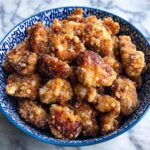
Double-Fried Karaage Chicken Recipe
- Prep Time: 10 minutes
- Cook Time: 15 minutes
- Total Time: 55-70 minutes
- Yield: 4 servings
- Category: Main Dish
- Method: Frying
- Cuisine: Japanese
Description
Double-Fried Karaage Chicken is a classic Japanese fried chicken dish known for its extra crispy texture and flavorful marinade. The chicken is marinated in a savory blend of soy sauce, sake or mirin, sesame oil, ginger, sugar, and seasoning, then coated with potato starch and twice-fried to achieve a juicy interior and a crunchy exterior.
Ingredients
For the Marinade and Chicken
- 2 tablespoons soy sauce
- 2 tablespoons sake or mirin
- 1 teaspoon sesame oil
- 1 teaspoon peeled minced fresh ginger
- 1 teaspoon sugar
- 1/4 teaspoon kosher salt
- 1 pound boneless skinless chicken thighs, cut into 2-inch pieces
- 1/2 teaspoon freshly ground black pepper
For Coating and Frying
- 1/2 cup potato starch or cornstarch
- Oil for frying (vegetable, canola, or peanut oil recommended)
Instructions
- Prepare the marinade. In a bowl, whisk together soy sauce, sake or mirin, sesame oil, minced fresh ginger, sugar, kosher salt, and freshly ground black pepper until the sugar dissolves and the ingredients are well combined.
- Marinate the chicken. Add the chicken thigh pieces to the marinade and toss them thoroughly to ensure even coating. Refrigerate the marinated chicken for 30 to 60 minutes to allow flavors to infuse.
- Coat the chicken with starch. Lightly coat each piece of marinated chicken with potato starch or cornstarch, making sure to cover all surfaces. Let the coated chicken rest for 5 minutes to set the coating.
- First fry at 325°F (160°C). Heat oil in a deep fryer or heavy pot to 325°F. Fry the coated chicken pieces until they are cooked through but not yet browned, about 5 to 7 minutes depending on size. Remove chicken from oil and drain on paper towels; let it rest.
- Second fry at 375°F (190°C). Raise the oil temperature to 375°F. Fry the chicken pieces again briefly, about 2 to 3 minutes, until they turn golden brown and crisp. This double-fry technique ensures a crunchy exterior and juicy interior.
- Drain and serve hot. Remove the chicken from oil and drain on paper towels briefly to remove excess oil. Serve immediately while hot to enjoy the crisp texture.
Notes
- Using potato starch or cornstarch is essential for achieving the characteristic crispy crust of karaage.
- Adjust marinating time up to 1 hour for deeper flavor but avoid over-marinating to keep chicken tender.
- Maintain accurate oil temperature for frying to ensure even cooking and avoid greasy texture.
- Boneless skinless chicken thighs are preferred for juiciness, but chicken breast can be used if desired with slight texture difference.
- Serve with lemon wedges or Japanese mayonnaise for dipping, if desired.