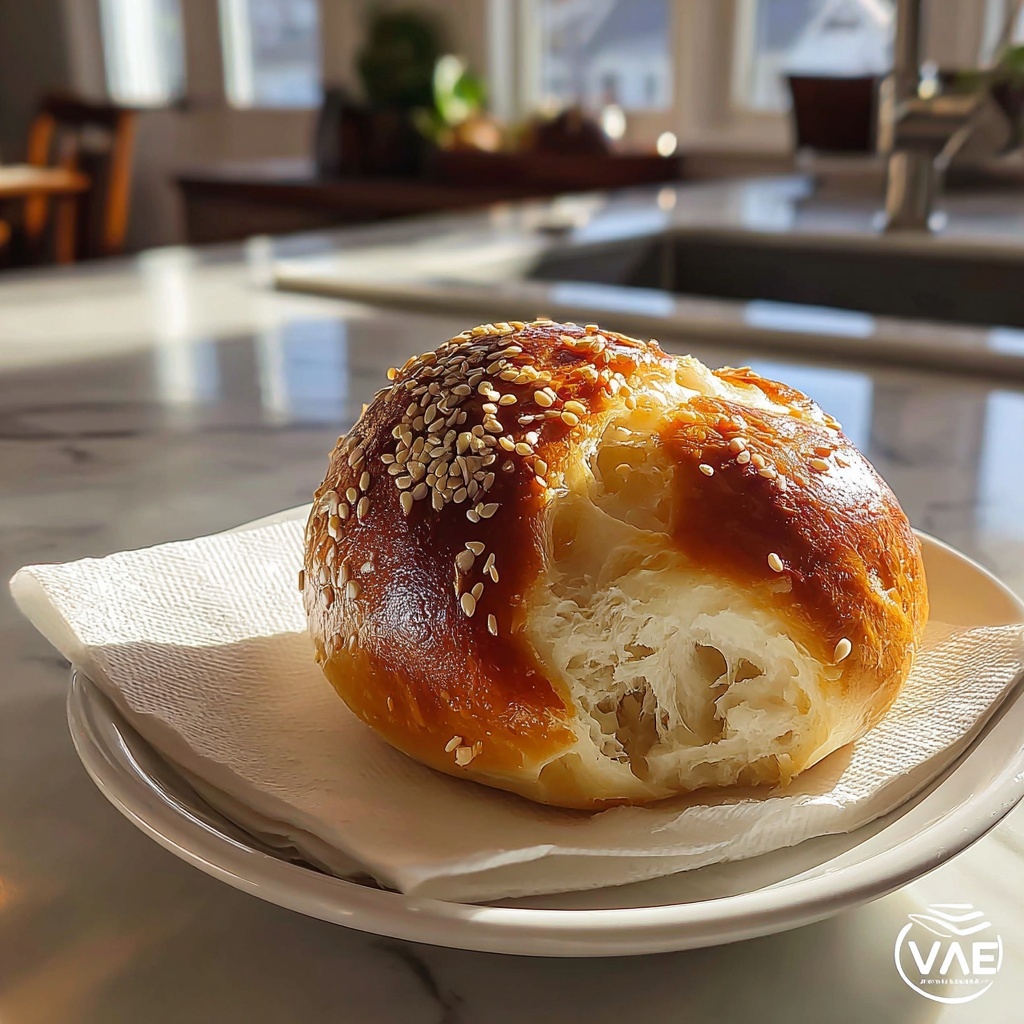
If you have ever wanted to bake something truly comforting and rewarding in your own kitchen, this Easy Homemade Bread Recipe is just the ticket. With a handful of simple ingredients and straightforward steps, you will create a loaf that’s crusty on the outside and perfectly soft inside. It’s the kind of bread that fills your home with an irresistible aroma and brings a smile to everyone’s face as it comes out of the oven. Whether you are a seasoned baker or just starting out, this recipe promises success and deliciousness every time you try it.
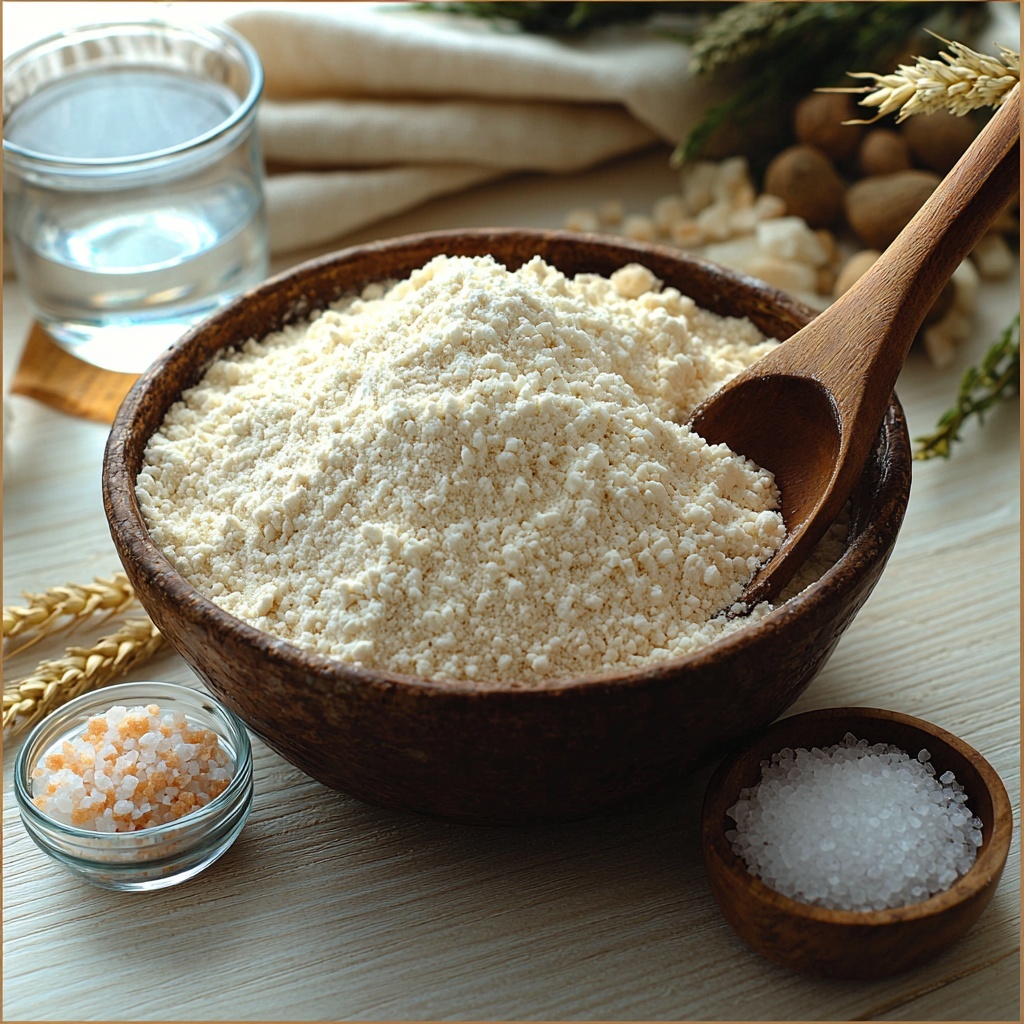
Ingredients You’ll Need
These ingredients are wonderfully simple but essential to achieving that classic bread flavor and texture we all love. Each plays its part, from the yeast’s magical rise to the salt’s deepening of flavor.
- 4 cups all-purpose flour: Provides structure and forms the foundation of the bread’s soft crumb.
- 1 ½ cups warm water (110°F/43°C): Activates the yeast and hydrates the dough; water temperature is key to proper fermentation.
- 2 ¼ tsp active dry yeast (1 packet): The vital leavening agent that makes your dough rise beautifully and become airy.
- 2 tsp salt: Enhances flavor while tightening the gluten structure for a better texture.
- 1 tbsp sugar: Feeds the yeast and adds a subtle sweetness to balance the bread’s taste.
How to Make Easy Homemade Bread Recipe
Step 1: Activate the Yeast
Start this beautiful baking journey by mixing your warm water and sugar in a bowl. Sprinkle the yeast on top and watch it bubble and foam after 5 to 10 minutes—this means your yeast is alive and ready to work its magic, ensuring your bread will rise to perfection.
Step 2: Mix the Dry Ingredients
Whisk together the flour and salt in a large bowl to evenly distribute the salt, which is crucial for balanced seasoning and controlling the yeast action. This step sets the stage for a well-textured and flavorful bread.
Step 3: Combine Mixtures
Pour the bubbly yeast mixture into your flour and salt, then gently stir until a shaggy dough forms. This rough mix might seem unkempt at first, but it’s the beginning of a wonderfully elastic and tender loaf.
Step 4: Knead the Dough
Transfer your dough to a floured surface and knead for about 8 to 10 minutes. This is where the dough becomes smooth and springy as the gluten develops. Trust the process—it’s the key step to achieving that perfect loaf texture.
Step 5: Let It Rise
Place your kneaded dough into a greased bowl, cover it with plastic wrap or a cloth, and tuck it into a warm spot. In about an hour, it will double in size. This rise gives your bread that coveted lightness and volume true homemade bread is known for.
Step 6: Bake Your Bread
Preheat your oven to 375°F (190°C). Once your dough has risen, gently punch it down to release any large air bubbles, shape it into a loaf, and place it in a greased pan. Bake for 30 to 35 minutes until golden brown and crusty. That golden crust is a sign your Easy Homemade Bread Recipe has truly come to life!
How to Serve Easy Homemade Bread Recipe
Garnishes
Freshly baked bread is lovely on its own, but you can elevate it by brushing the crust with melted butter or a drizzle of olive oil to add shine and a richer taste. For special occasions, a sprinkle of herbs like rosemary or garlic powder on top before baking adds a delightful aroma and flavor.
Side Dishes
This bread is incredibly versatile, pairing beautifully with soups, salads, and stews. Try it with a warm bowl of tomato soup or alongside a vibrant green salad. It’s perfect for scooping up sauces or making hearty sandwiches that bring comfort to any meal.
Creative Ways to Present
Serve the bread sliced thick and warm, topped with creamy cheeses, jam, or honey for a simple yet indulgent treat. You can also toast the slices for bruschetta or garlic bread, giving your meal a gourmet touch with minimal effort.
Make Ahead and Storage
Storing Leftovers
Store your bread in an airtight container or bread box at room temperature to keep it soft for up to 2 days. Wrapping it tightly with plastic wrap or placing it in a resealable bag helps prevent it from drying out.
Freezing
If you want to extend the life of your loaf, slice it before freezing, then wrap the slices well in plastic wrap and foil. Frozen bread stays fresh for about 3 months, ready to be toasted or warmed whenever you crave fresh bread.
Reheating
To enjoy your bread as if newly baked, warm slices in a toaster or oven. A quick 5-7 minute reheat at 350°F (175°C) will revive that crispy crust and soft interior, bringing back all the wonderful textures and flavors.
FAQs
Can I use whole wheat flour instead of all-purpose?
Absolutely! You can substitute part or all of the all-purpose flour with whole wheat flour, but keep in mind the bread may be denser and need a bit more water due to the bran content.
What is the best temperature for activating yeast?
Yeast activates best in warm water around 110°F (43°C). Too hot, and you risk killing the yeast; too cold, and it won’t activate properly.
Can I make this bread without kneading?
While kneading develops gluten for texture, some no-knead variations exist but may require longer rising times. This recipe’s kneading step ensures a classic crumb and crust you’ll love.
Why did my bread not rise properly?
Common causes include expired yeast, water temperature too high or low, or not giving the dough enough time to rise. Ensuring each is done carefully will help your bread rise beautifully.
How do I get a crispier crust?
For a crispier crust, try baking with a pan of water in the oven to add steam or brush the loaf with water before baking. Letting the bread cool on a wire rack also helps keep the crust firm.
Final Thoughts
There is something truly magical about pulling a warm loaf of bread from your oven, and this Easy Homemade Bread Recipe makes that magic accessible to everyone. It’s simple, satisfying, and endlessly versatile, perfect for sharing or savoring on your own. I can’t wait for you to try this recipe and fill your home with the comforting smell and taste of fresh-baked bread—it’s a little slice of happiness you bake yourself!
Print
Easy Homemade Bread Recipe
- Prep Time: 15 minutes
- Cook Time: 35 minutes
- Total Time: 1 hour 50 minutes
- Yield: 12 servings
- Category: Bread
- Method: Baking
- Cuisine: American
Description
This easy homemade bread recipe guides you through simple steps to bake a soft, golden loaf using basic pantry ingredients. Perfect for beginners, this bread features a tender crumb and crispy crust, ideal for sandwiches or to accompany any meal.
Ingredients
Dry Ingredients
- 4 cups all-purpose flour
- 2 tsp salt
- 1 tbsp sugar
- 2 ¼ tsp active dry yeast (1 packet)
Wet Ingredients
- 1 ½ cups warm water (110°F/43°C)
Instructions
- Activate the Yeast: In a bowl, combine the warm water and sugar, then sprinkle the active dry yeast on top. Let the mixture sit for 5-10 minutes until it becomes bubbly and foamy, indicating the yeast is active.
- Mix Dry Ingredients: In a large bowl, whisk together the all-purpose flour and salt thoroughly to ensure even seasoning throughout the bread dough.
- Combine Mixtures: Pour the activated yeast mixture into the bowl with the dry ingredients. Stir with a spoon until a shaggy dough forms and all flour is incorporated.
- Knead the Dough: Transfer the dough to a floured surface and knead vigorously for 8-10 minutes until the dough is smooth, elastic, and slightly tacky but not sticky.
- Let It Rise: Grease a large bowl and place the kneaded dough inside. Cover the bowl with plastic wrap or a clean kitchen towel. Leave it in a warm, draft-free area for about 1 hour, or until the dough has doubled in size.
- Bake: Preheat your oven to 375°F (190°C). Punch down the risen dough to release air, shape it into a loaf, and place it into a greased loaf pan. Bake for 30-35 minutes until the bread is golden brown and sounds hollow when tapped.
Notes
- You can check yeast activity by whether it bubbles; if not, your yeast might be expired or the water too hot/cold.
- For a crispier crust, place a pan of water on the bottom rack of the oven while baking to create steam.
- Allow the bread to cool completely on a wire rack before slicing to avoid a gummy texture.
- Flour quantities may vary slightly based on humidity; add more flour or water to achieve the right dough consistency.