
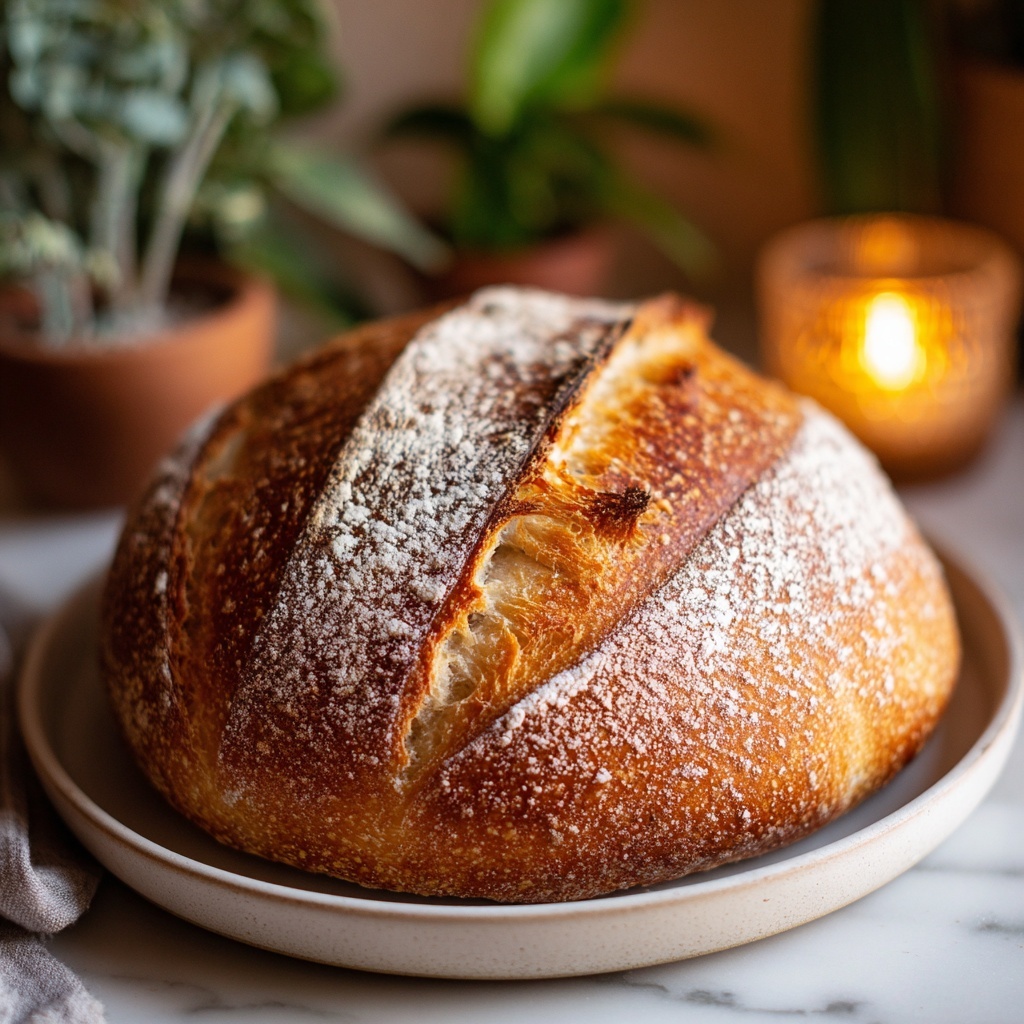
If you love the warm, festive flavors of eggnog and the tangy goodness of sourdough, then this Festive Eggnog Sourdough Bread Recipe is about to become your new seasonal favorite. This loaf balances the traditional holiday spices with a tender crumb and a perfectly crusty exterior. Each bite is like a cozy celebration of flavor and texture, crafted lovingly with simple, wholesome ingredients. It’s a showstopper on any table, whether you’re serving it for a holiday brunch or craving a special treat to enjoy with your morning coffee.
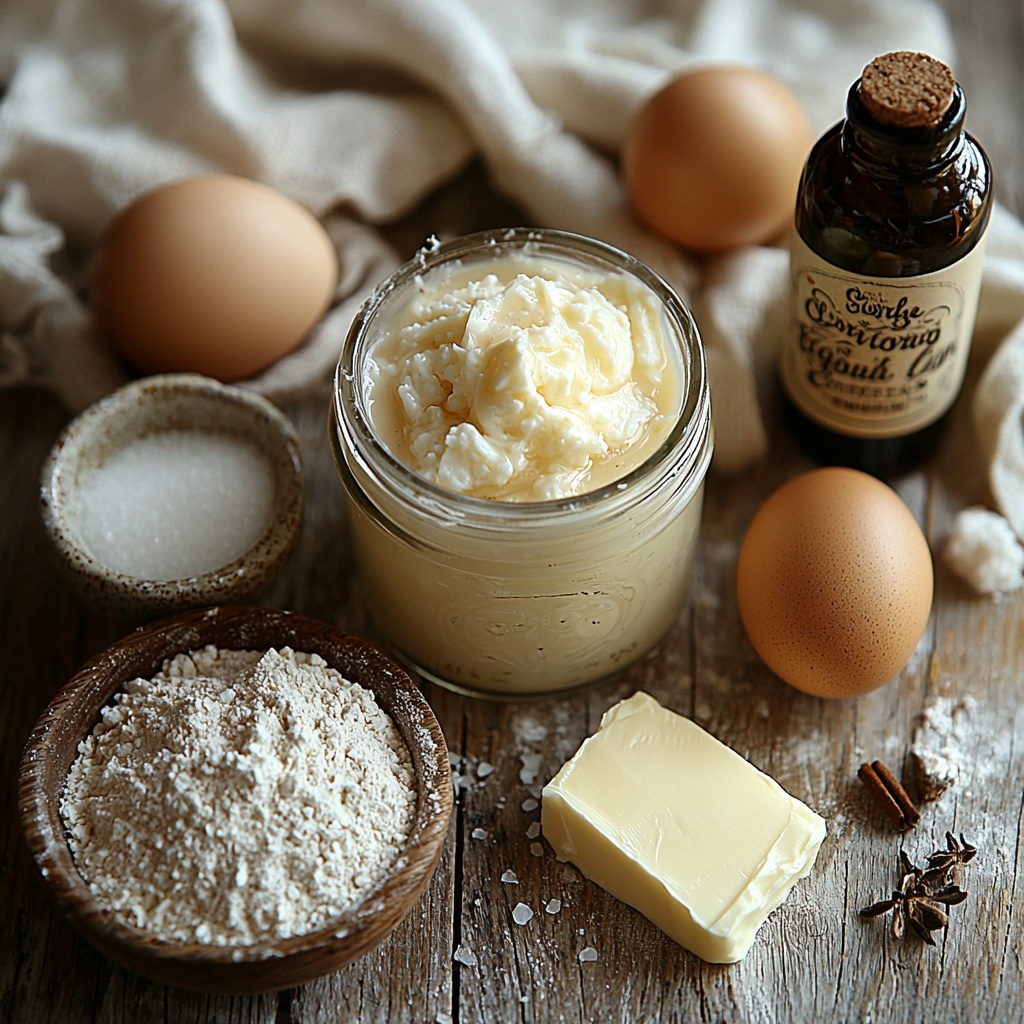
Ingredients You’ll Need
The beauty of this Festive Eggnog Sourdough Bread Recipe lies in its straightforward ingredients. Each one plays a crucial role, from building the bread’s structure to infusing it with that unmistakable festive flair. Together, they create a symphony of taste and texture that will have your kitchen smelling like holiday magic.
- 100 g sourdough starter: The natural leavening agent that gives the bread its signature tang and chewy texture.
- 250 g eggnog: Adds moisture and sweet, spiced flavor that’s synonymous with the season.
- 350 g all-purpose flour: The foundation for your loaf, providing structure and crumb.
- 1 large egg: Enriches the dough for a soft, tender crumb and beautiful color.
- 40 g granulated sugar: A touch of sweetness to round out the holiday spices.
- 30 g unsalted butter, softened: Adds richness and helps keep the crumb moist.
- 5 g salt: Enhances all the flavors and controls fermentation.
- 1/2 tsp ground nutmeg: The spice that brings that quintessential festive aroma and flavor.
- 1 tsp vanilla extract: A warm, fragrant note that elevates the eggnog’s character in the bread.
How to Make Festive Eggnog Sourdough Bread Recipe
Step 1: Mix the Base Dough
Start by combining your sourdough starter, eggnog, flour, egg, sugar, salt, nutmeg, and vanilla extract in a large bowl. Stir everything together until you have a sticky dough. This mixture forms the flavorful foundation of your loaf—it’s dense with holiday aromatics and ready to rest. Let it sit for 30 minutes so the flour hydrates fully, which helps with gluten development later.
Step 2: Add Butter and Knead
Once your dough has rested, incorporate the softened butter. This step is crucial because the butter tenderizes the crumb and boosts flavor. Knead the dough for 8 to 10 minutes until it feels smooth and elastic. You’ll notice it transform from sticky and shaggy to a silky ball ready to rise.
Step 3: Bulk Fermentation with Stretch and Folds
Place the dough in a clean bowl, cover it, and let it ferment at room temperature for 4 to 6 hours. During the first 90 minutes, perform three stretch-and-fold sessions every 30 minutes. These folds build strength in the dough and trap air bubbles, giving your bread that open, delightful crumb.
Step 4: Shape the Dough
After your dough has doubled in size, gently turn it out onto a lightly floured surface and shape it into a tight ball or place it in a loaf pan if you prefer a classic shape. This shaping step ensures a uniform rise during the final proof and a beautiful loaf shape.
Step 5: Cold Proof Overnight
Cover the shaped dough and refrigerate it to cold-proof for 8 to 12 hours. This slow, chilly fermentation deepens the flavors and develops the bread’s texture, making the sourdough tang shine even through the eggnog’s sweetness.
Step 6: Bake to Perfection
Preheat your oven to 375°F (190°C). Bake the bread covered for the first 20 minutes to trap steam and create a soft crust. Then remove the cover and bake for another 20 to 25 minutes until the crust turns golden brown and the loaf sounds hollow when tapped. This method ensures a crust that’s just right—crispy but not tough.
How to Serve Festive Eggnog Sourdough Bread Recipe
Garnishes
While the bread shines on its own, garnishing with a light dusting of powdered sugar or a sprinkle of cinnamon sugar can add a lovely festive touch. For a richer option, a slather of cinnamon butter or a drizzle of honey perfectly complements the spiced notes.
Side Dishes
This bread pairs wonderfully with creamy cheeses like mascarpone or triple-cream brie, making it ideal for a holiday cheese board. It also works beautifully alongside spiced mulled wine or a steaming cup of chai tea for a cozy afternoon indulgence.
Creative Ways to Present
Turn this festive loaf into elegant toast rounds topped with whipped cream cheese and fig jam for a holiday brunch centerpiece. Or slice it thinly and use it as a base for mini open-faced sandwiches with smoked turkey and cranberry sauce. The possibilities with this Festive Eggnog Sourdough Bread Recipe are endless and always delightful.
Make Ahead and Storage
Storing Leftovers
Keep your leftover bread fresh by wrapping it tightly in plastic wrap and storing it at room temperature. It will stay soft and flavorful for up to two days—perfect for enjoying warm slices the next morning.
Freezing
If you want to extend the shelf life, slice the loaf and freeze it in an airtight container or freezer bag. This way, you can toast slices directly from the freezer anytime a festive bread craving strikes.
Reheating
To refresh your bread’s crust and crumb, reheat slices in a toaster or warm the whole loaf wrapped in foil at 350°F (175°C) for 10–15 minutes. This brings back that fresh-baked feeling and enhances the cozy eggnog aroma.
FAQs
Can I use store-bought eggnog for this recipe?
Absolutely! Store-bought eggnog works perfectly and brings that classic festive flavor. Just be sure to use a well-shaken carton for even mixing.
What if my sourdough starter isn’t very active?
If your starter is sluggish, give it a feed a few hours before making the dough to boost activity. A lively starter helps the dough rise beautifully and develop its signature flavor.
Can I substitute whole wheat flour for all-purpose?
Yes, but keep in mind that whole wheat can make the bread denser and more robust in flavor. You might want to start with half whole wheat and half all-purpose flour to maintain the light texture.
How important is the cold proofing step?
The cold proof is key to developing flavor complexity and improving the dough’s structure. Skipping this step may result in a bread that lacks depth and a less even crumb.
Can I add other spices or mix-ins?
Feel free to experiment! Cinnamon, cloves, or even chopped nuts can enhance the festive feel. Just balance additional ingredients carefully so they complement the eggnog and sourdough flavors.
Final Thoughts
There is something truly magical about baking with sourdough and eggnog to create a loaf that embodies the spirit of the season. This Festive Eggnog Sourdough Bread Recipe is not only delicious but also a warm, comforting experience from start to finish. I can’t wait for you to try it, share it, and make it a new holiday tradition in your own kitchen.
Print
Festive Eggnog Sourdough Bread Recipe
- Prep Time: 6h
- Cook Time: 45m
- Total Time: 6h 45m
- Yield: 1 loaf
- Category: Bread
- Method: Baking
- Cuisine: American
Description
This Festive Eggnog Sourdough Bread is a delightful holiday treat that infuses traditional sourdough with rich eggnog and warm spices. Soft, slightly sweet, and aromatic with nutmeg and vanilla, it’s perfect for festive breakfasts or holiday gatherings. The natural fermentation of the sourdough starter creates a tender crumb and complex flavor balanced by the creamy eggnog and a hint of warm spice.
Ingredients
Main Ingredients
- 100 g sourdough starter
- 250 g eggnog
- 350 g all-purpose flour
- 1 large egg
- 40 g granulated sugar
- 30 g unsalted butter, softened
- 5 g salt
- 1/2 tsp ground nutmeg
- 1 tsp vanilla extract
Instructions
- Mix Ingredients: In a large bowl, combine the sourdough starter, eggnog, all-purpose flour, egg, granulated sugar, salt, ground nutmeg, and vanilla extract. Stir the mixture together until a sticky dough forms. Allow the dough to rest for 30 minutes to hydrate the flour and begin gluten development.
- Add Butter and Knead: Incorporate the softened unsalted butter into the dough. Knead the dough for 8 to 10 minutes until it becomes smooth, elastic, and slightly tacky, indicating proper gluten formation and fat integration.
- Bulk Fermentation: Cover the dough and let it ferment at room temperature for 4 to 6 hours. During the first 90 minutes, perform three sets of stretch-and-folds every 30 minutes to strengthen the dough’s structure and promote even fermentation.
- Shape: Once the dough has doubled in size, shape it into a ball or place it into a loaf pan for a classic loaf shape, preparing it for final proofing.
- Cold Proof: Cover the shaped dough and refrigerate it for 8 to 12 hours. This cold proof slows fermentation, develops flavor further, and improves the texture of the final bread.
- Bake: Preheat your oven to 375°F (190°C). Bake the bread covered for the first 20 minutes to create steam and encourage oven spring, then uncover and bake an additional 20 to 25 minutes until the crust is golden brown and the loaf sounds hollow when tapped, indicating it is fully baked.
Notes
- Use a ripe sourdough starter for the best rise and flavor.
- Eggnog adds sweetness and richness; adjust sugar if your eggnog is particularly sweet.
- Ensure the butter is softened to incorporate smoothly into the dough.
- Perform stretch-and-folds carefully to strengthen gluten without overworking the dough.
- Cold proofing enhances flavor and texture but can be shortened if pressed for time.
- Covering the bread during initial baking traps steam, helping achieve a tender crust.
- Check doneness by tapping the bottom of the loaf; a hollow sound means it’s baked through.