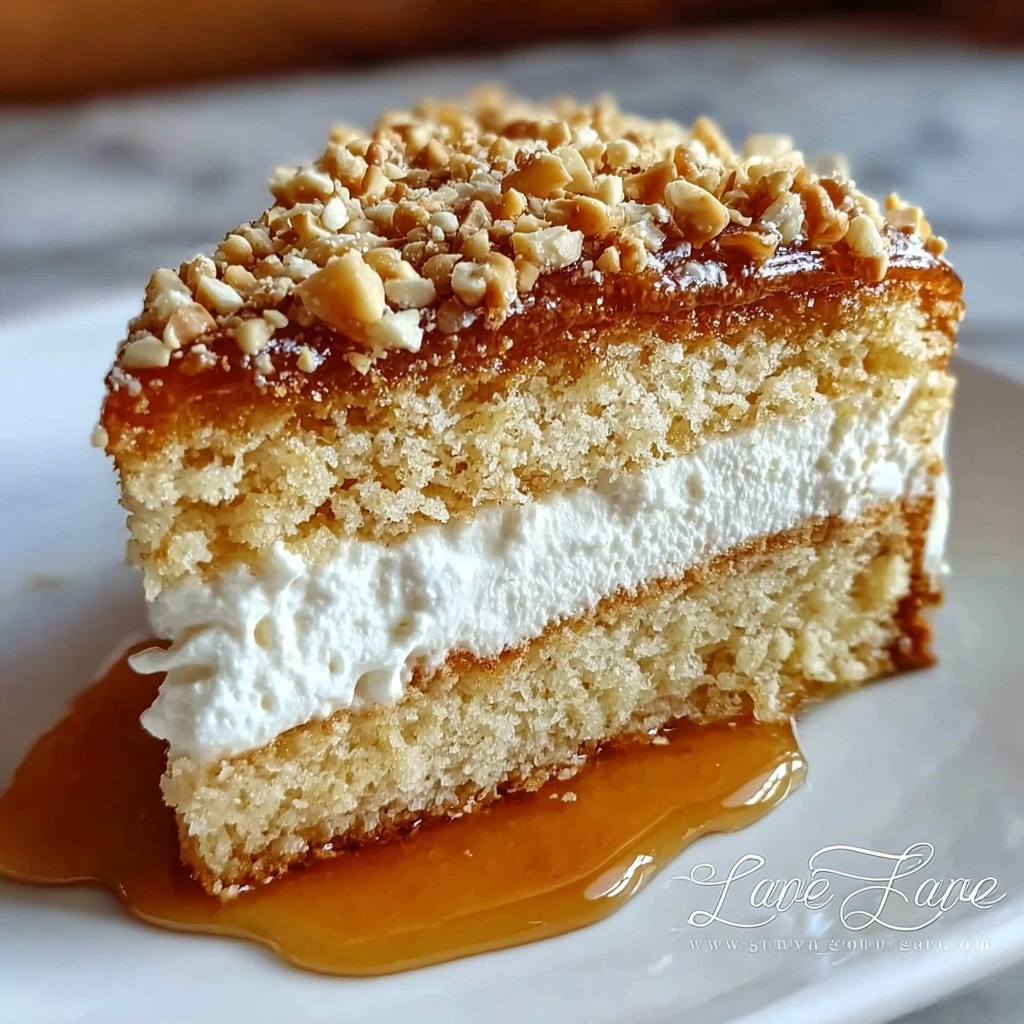
If you have a sweet tooth and an affection for classic European desserts, then you are absolutely going to adore this German Bee Sting Cake (Bienenstich) Recipe. This delightful cake features a perfectly soft yeast dough base, a golden caramelized almond topping, and a luscious vanilla pastry cream filling. It’s the kind of treat that feels both sophisticated and homey at the same time, making every bite a charming experience that transports you right to a cozy German café. Whether you’re celebrating a special occasion or just craving an extraordinary dessert, this cake is sure to impress and satisfy in the most irresistible way.
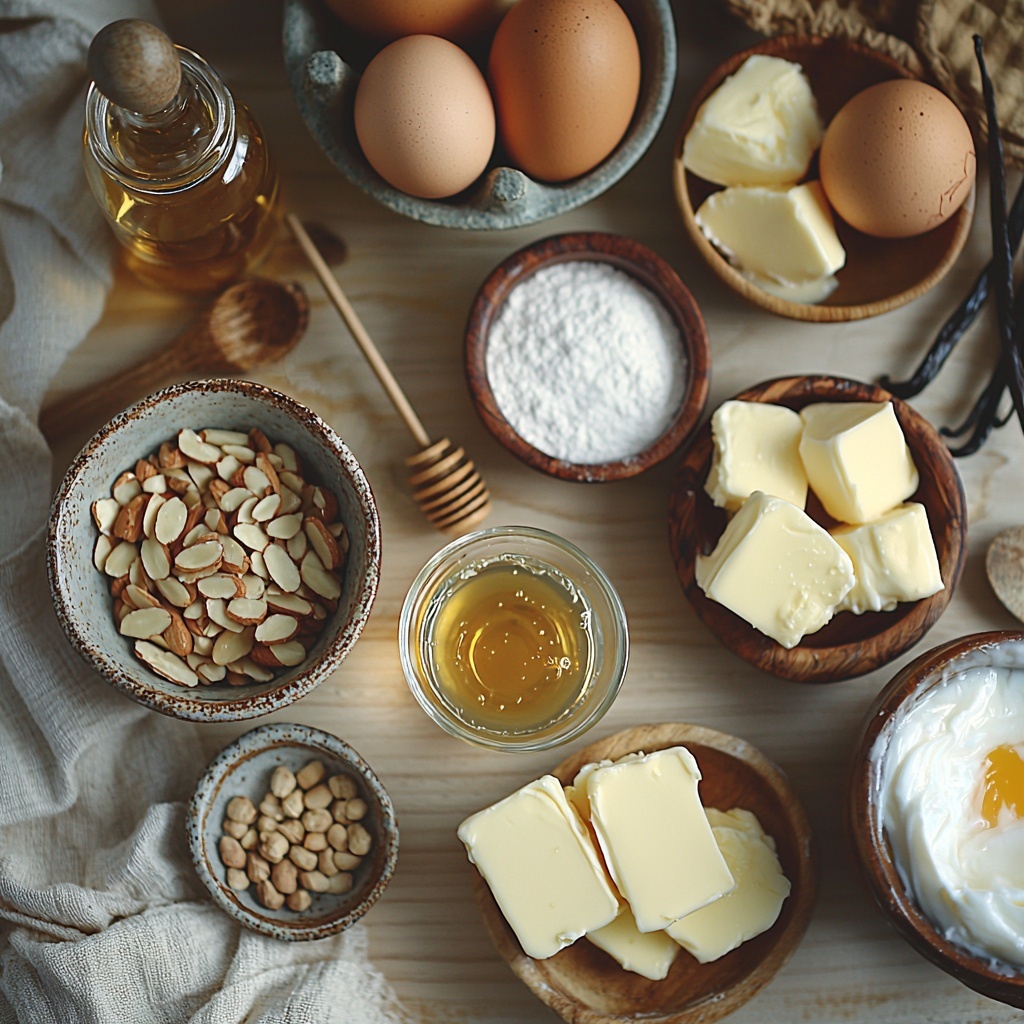
Ingredients You’ll Need
The beauty of this German Bee Sting Cake (Bienenstich) Recipe is how straightforward its ingredients are, yet each one plays a vital role in delivering the signature textures and flavors—from the fluffy yeast dough to the rich, creamy filling and the crunchy almond topping.
- Warm milk: Activates the yeast and creates a tender dough texture when warmed to 105-115°F (40-46°C).
- Granulated sugar (both for yeast and dough): Feeds the yeast and adds sweetness to balance flavors.
- Active dry yeast: The magical leavening agent that makes the dough rise beautifully.
- Unsalted butter (melted and cold cubed): Adds richness to both the dough and pastry cream.
- Large eggs: Provide structure and tenderness to the yeast dough.
- Vanilla extract or bean paste: Infuses the cake and cream with a warm, floral essence.
- Salt: Enhances all the flavors in the dough.
- All-purpose flour: The foundation for the yeast dough, giving it structure.
- Honey: Adds depth and subtle complexity to the almond topping.
- Heavy cream: Used in the almond topping and for whipping into the pastry cream, contributing a luscious texture.
- Sliced almonds: Give the cake its iconic crunchy, nutty crown.
- Egg yolks and cornstarch: Create the silky, thick consistency of the vanilla pastry cream.
How to Make German Bee Sting Cake (Bienenstich) Recipe
Step 1: Prepare the Yeast Dough
Start by activating the yeast in the warm milk with a teaspoon of sugar—this fizzing-up stage is like a little promise that your dough will be light and fluffy. Then, combine the melted butter, eggs, vanilla, and salt to build flavor and richness. Slowly mix in the flour, kneading until the dough feels smooth and elastic. Placing it in an oiled bowl to rise allows the yeast to work its magic, doubling in size and preparing the perfect base for our cake.
Step 2: Craft the Almond Topping
While the dough is rising, the almond topping comes together quickly in a saucepan where butter, sugar, honey, and cream meld into a golden, sticky syrup. Stirring in sliced almonds coats them evenly, making a crunchy, caramelized layer that defines this cake’s texture and taste. Once your dough is shaped in a springform pan, pour the topping lavishly over it and let it rise just a bit more to lock in that nutty essence.
Step 3: Bake the Cake
Pop your cake into a preheated oven at 350°F (175°C) and bake it until the almond topping is gorgeously golden and the dough cooked through—usually 30 to 35 minutes. The aroma alone will have everyone eagerly waiting! After baking, allow it to cool slightly in the pan, then transfer to a wire rack to cool completely so the delicate crumb stays intact.
Step 4: Whip Up the Vanilla Pastry Cream
The creamy heart of the cake is a silky vanilla pastry cream that requires gentle attention. Whisk together milk, sugar, egg yolks, and cornstarch, cooking slowly to prevent lumps while thickening beautifully. Stir in vanilla and butter for richness, then chill until firm. This step may take time, but it rewards you with a decadently smooth filling that elevates the entire cake.
Step 5: Assemble the Cake
Finally, whip the cold heavy cream to stiff peaks and gently fold into the chilled pastry cream, lightening it into an airy, dreamlike filling. Slice the fully cooled cake horizontally and spread the cream generously over the bottom layer. Top it with the almond crusted layer, chill a little more to meld the flavors, and you’re ready to serve a classic German Bee Sting Cake (Bienenstich) Recipe that’s both impressive and utterly lovable.
How to Serve German Bee Sting Cake (Bienenstich) Recipe
Garnishes
To add a personal touch and a hint of elegance, dust the top of the cake with a light sprinkling of powdered sugar or some extra toasted sliced almonds. Fresh berries, such as raspberries or blueberries, also provide a bright, fruity contrast that balances the richness of the custard beautifully.
Side Dishes
Serve your slice alongside a scoop of vanilla ice cream or a dollop of lightly whipped cream for those who love extra indulgence. A cup of strong coffee or a fragrant herbal tea pairs perfectly, complementing the sweetness and making it a delightful afternoon treat or post-dinner dessert.
Creative Ways to Present
If you’re looking to impress at a gathering, try cutting the cake into petite squares or elegant fingers, perfect for passing around at parties. You could also serve individual portions topped with a drizzle of honey and a sprig of mint for eye-catching presentation and an extra nod to the “bee sting” concept.
Make Ahead and Storage
Storing Leftovers
Because of its creamy filling, it’s best to store leftover German Bee Sting Cake (Bienenstich) Recipe in an airtight container in the refrigerator. It will keep nicely for up to 3 days, preserving the cake’s freshness and creaminess so you can enjoy it again without losing any of the magic.
Freezing
This cake isn’t the easiest candidate for freezing due to the delicate pastry cream, but if you must, wrap slices tightly in plastic wrap and freeze for up to one month. Thaw slowly in the refrigerator overnight to maintain texture, although the cream may be slightly less fluffy after thawing.
Reheating
Since this is a cream-filled cake, reheating isn’t recommended as the cream can separate and affect texture. Instead, let it come to room temperature for about 15-20 minutes before serving if you prefer it less chilled.
FAQs
What does the name “Bee Sting Cake” mean?
The name “Bee Sting Cake” comes from the caramelized almond topping that resembles a honeycomb, connecting to the idea of bees and honey, although the cake itself doesn’t involve actual stings!
Can I use instant yeast instead of active dry yeast?
Yes, you can substitute instant yeast for active dry yeast but reduce the amount slightly and add it directly to the dry ingredients. The rising times might be shorter, so keep an eye on the dough.
Is it possible to make this cake gluten-free?
While traditional German Bee Sting Cake (Bienenstich) Recipe relies on wheat flour, you could experiment with gluten-free all-purpose blends, but expect some differences in texture and rise.
Can I make the pastry cream ahead of time?
Absolutely! Making the pastry cream a day in advance allows it to chill and firm up perfectly, making assembly easier and the filling more flavorful.
What if I don’t have a springform pan?
You can use a regular 9-inch round cake pan, but greasing it well and lining the bottom with parchment paper will help with removal without damaging the delicate almond topping.
Final Thoughts
If you’re ready for a baking adventure that rewards you with layers of flavor, texture, and pure delight, don’t hesitate to try this German Bee Sting Cake (Bienenstich) Recipe. It’s a wonderful way to bring a piece of German tradition into your kitchen, impress your friends, or simply treat yourself to something truly special. Once you taste that perfect combo of creamy custard and crunchy almonds atop soft yeast dough, you’ll understand why it’s a cherished classic for good reason.
Print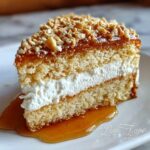
German Bee Sting Cake (Bienenstich) Recipe
- Prep Time: 25 minutes
- Cook Time: 35 minutes
- Total Time: 3 hours 30 minutes
- Yield: 12 servings
- Category: Dessert
- Method: Baking
- Cuisine: German
- Diet: Vegetarian
Description
German Bee Sting Cake (Bienenstich) is a classic layered yeast cake featuring a moist, tender crumb topped with a caramelized almond crust. It is filled with a luscious, smooth vanilla pastry cream whipped with heavy cream for an airy texture. This traditional German dessert blends rich, buttery almond flavors with a creamy vanilla filling for an indulgent, elegant treat perfect for any occasion.
Ingredients
For the Yeast Dough:
- 1 cup (240ml) warm milk (105-115°F / 40-46°C)
- 1 tsp granulated sugar (for yeast)
- 2 ¼ tsp (7g) active dry yeast (1 standard packet)
- ½ cup (100g) granulated sugar
- ⅓ cup (75g) unsalted butter, melted
- 2 large eggs
- 1 tsp vanilla extract
- ½ tsp salt
- 3 ½ cups (420g) all-purpose flour, plus more for dusting
For the Almond Topping:
- ½ cup (113g) unsalted butter
- ½ cup (100g) granulated sugar
- 2 tbsp honey
- 2 tbsp heavy cream
- 1 cup (100g) sliced almonds
For the Vanilla Pastry Cream:
- 2 cups (480ml) whole milk
- ½ cup (100g) granulated sugar
- 4 large egg yolks
- ¼ cup (30g) cornstarch
- 1 tsp vanilla extract or vanilla bean paste
- 2 tbsp (28g) unsalted butter, cold and cut into cubes
- 1 cup (240ml) heavy cream, cold (for whipping)
Instructions
- Prepare the Yeast Dough: In a stand mixer bowl, combine warm milk, 1 tsp sugar, and active dry yeast. Allow the mixture to foam for 5-10 minutes until frothy. Add remaining sugar, melted butter, eggs, vanilla extract, and salt. Gradually add flour while mixing on low speed, then knead on medium-low speed for 8-10 minutes until the dough is elastic and smooth. Transfer the dough to an oiled bowl, cover it, and let it rise in a warm spot for 1 to 1.5 hours until doubled in size.
- Craft the Almond Topping: Melt butter, sugar, honey, and heavy cream together in a saucepan over medium heat. Let the mixture simmer for 1 minute, then stir in the sliced almonds. Punch down the risen dough and press it evenly into a greased 9-inch springform pan. Spread the warm almond topping evenly over the dough. Cover the pan and let the dough rise again for 30-45 minutes.
- Bake the Cake: Preheat your oven to 350°F (175°C). Bake the cake for 30-35 minutes until the almond topping is golden brown and a skewer inserted in the dough comes out clean. Let the cake cool in the pan for 15-20 minutes before transferring it to a wire rack to cool completely.
- Whip Up the Vanilla Pastry Cream: In a saucepan, whisk together milk, sugar, egg yolks, and cornstarch until fully combined and smooth. Cook over medium heat, whisking constantly until the mixture thickens and comes to a boil; hold the boil for 1 minute. Remove from heat, then stir in the vanilla extract and cold butter cubes until smooth. Transfer the pastry cream to a bowl, cover the surface with plastic wrap to prevent a skin from forming, and refrigerate for 2-3 hours or overnight until thoroughly chilled.
- Assemble the Cake: Whip the cold heavy cream to stiff peaks. Gently fold the whipped cream into the chilled pastry cream to lighten the texture. Slice the cooled cake horizontally into two layers. Spread the pastry cream mixture evenly over the bottom layer, then place the almond-topped layer on top. Chill the assembled cake for at least 30 minutes before serving for best flavor and texture.
Notes
- Ensure milk is warm (not hot) when activating yeast to avoid killing it.
- Covering the dough during rises helps maintain moisture and encourages proper fermentation.
- Use a greased springform pan to easily remove the delicate almond topping layer.
- The pastry cream must be completely chilled before folding with whipped cream to prevent melting.
- Slice the cake carefully with a serrated knife to avoid crumbling.
- Chilling the assembled cake improves flavor melding and helps the cream set.