Description
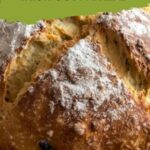
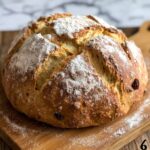
This Irish Soda Bread recipe offers a nostalgic, classic quick bread that’s tender on the inside with a rustic, golden crust. Made without yeast, it uses simple pantry staples like flour, baking soda, salt, buttermilk, and butter to create a wholesome loaf perfect for any occasion. The optional add-ins like raisins, currants, or caraway seeds add delightful variations to this traditional favorite.
Ingredients
Scale
Main Ingredients
- 4 cups (500 g) all-purpose flour, plus extra for shaping
- 1 tsp baking soda (fresh for best rise)
- 1 tsp fine salt
- 1 ¾ cups (420 ml) cold buttermilk, plus 1–2 tbsp as needed
- 2 tbsp (28 g) cold unsalted butter, cut into small pieces
- 1–2 tbsp (12–25 g) sugar or honey (optional, adds gentle sweetness)
Optional Add-ins
- ¾ cup (110–120 g) raisins or currants (for a sweet, bakery-style bread)
- 1 tbsp caraway seeds (for traditional flavor)
Instructions
- Prepare your oven and pan: Preheat the oven to 425°F (220°C). Line a baking sheet with parchment paper or place a cast-iron skillet inside the oven while it heats, ensuring either method for a rustic crust.
- Mix the dry ingredients: In a large bowl, whisk together the flour, baking soda, and salt. If using butter, rub it into the flour with your fingertips until the mixture resembles coarse crumbs, ensuring even baking soda distribution.
- Add buttermilk and form the dough: Make a well in the center and pour in the cold buttermilk. Stir with a fork or wooden spoon until the dough looks shaggy and just comes together, adding more buttermilk 1 tablespoon at a time if dry patches remain. Avoid overmixing to prevent a tough loaf.
- Shape the dough gently: Turn the dough onto a lightly floured surface. Gently bring it together and pat into a 6–7 inch (15–18 cm) round, about 1½–2 inches (4–5 cm) thick. Fold in raisins, currants, or caraway seeds with 2–3 quick turns if using, avoiding heavy kneading.
- Score the dough: Place the shaped dough on the prepared pan or skillet. Using a sharp knife, score a deep cross (about ½ inch/1 cm deep) across the top to help the loaf expand evenly and achieve the classic soda bread look.
- Bake the bread: Bake at 425°F (220°C) for 25 minutes. Then reduce the heat to 400°F (200°C) and bake for another 10–15 minutes until the crust is deeply golden and firm.
- Check for doneness: The loaf should sound hollow when tapped on the bottom, and the crust should be richly browned and firm.
- Cool before slicing: Transfer the bread to a wire rack and let it cool for at least 20–30 minutes. This resting time prevents gummy crumb and results in a cleaner slice and better texture.
Notes
- Use lightly spooned and leveled flour to avoid dense bread.
- Fresh baking soda ensures the best rise.
- Buttermilk is essential for flavor and to activate the baking soda; substitute with milk mixed with vinegar if unavailable.
- Do not overwork the dough to maintain tenderness.
- Scoring the top deeply is crucial for proper expansion and traditional aesthetics.
- Allow the bread to cool fully before slicing to avoid a gummy texture.
- Raisins, currants, or caraway seeds are optional but add distinctive flavor profiles.