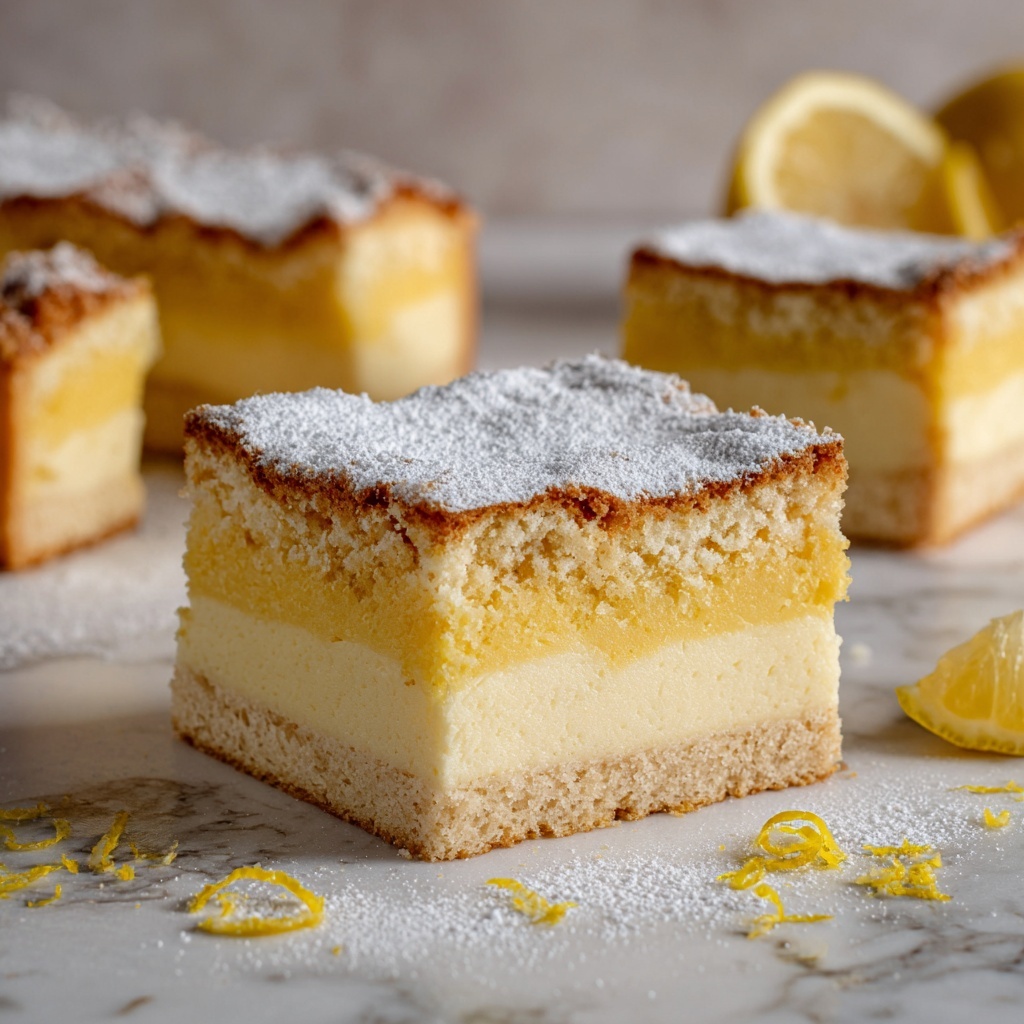
If you are searching for a dessert that effortlessly balances bright citrus tang with a smooth, creamy texture, this Lemon Custard Cake Recipe is an absolute must-try. This delightful treat features a luscious, velvety custard layer infused with fresh lemon zest and juice, sitting atop a light and tender cake base. It’s perfect for those moments when you want something refreshing yet comforting, and it’s guaranteed to become a cherished favorite in your recipe collection.
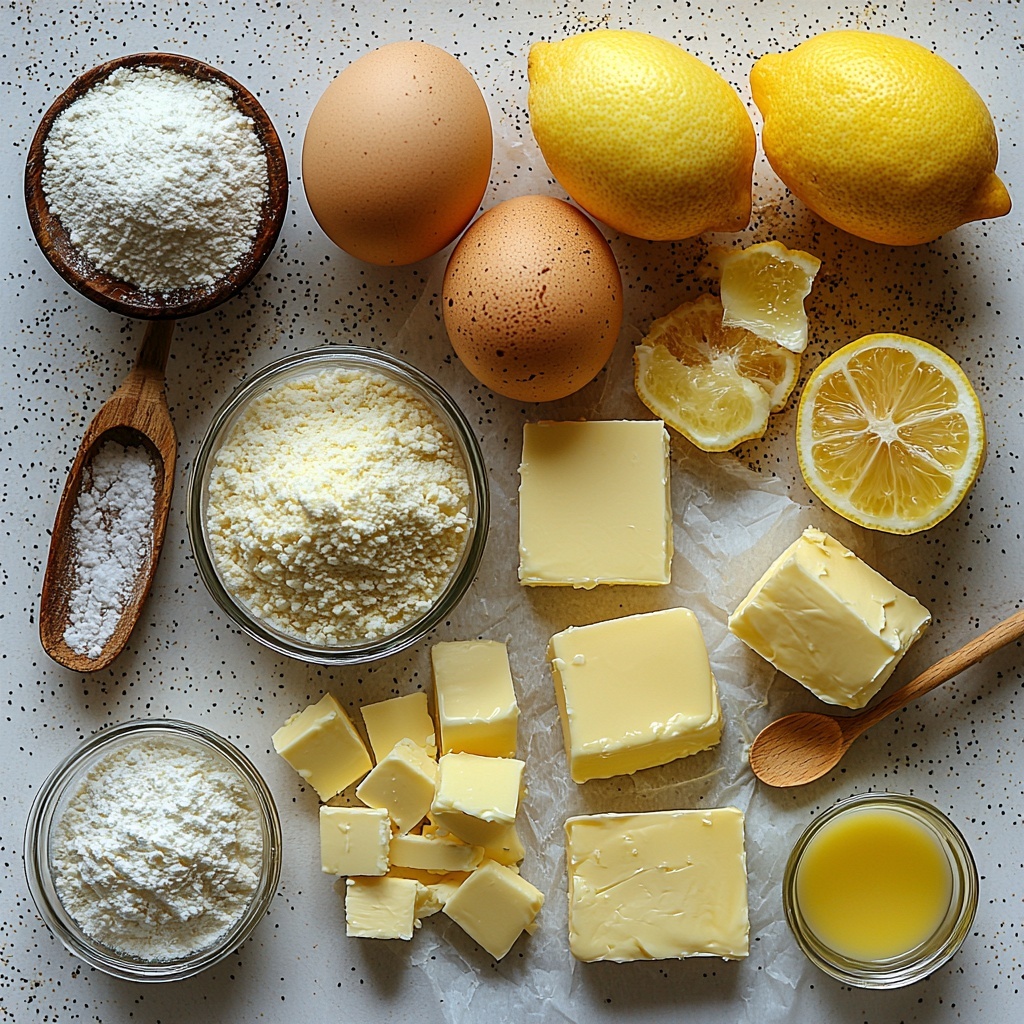
Ingredients You’ll Need
These ingredients are wonderfully simple, yet each one plays a crucial role in creating the perfect harmony of flavors and textures in this Lemon Custard Cake Recipe. From the bright zest that wakes up your palate to the silky milk adding creaminess, every component has a delicious purpose.
- 4 eggs (room temperature): Separating the eggs helps create that airy, custard-like texture with fluffy egg whites and rich yolks.
- ¾ cup sugar: Provides sweetness and helps achieve that golden color on the cake top.
- ½ cup unsalted butter (melted and slightly cooled): Adds a velvety richness, making the cake moist and tender.
- 1 teaspoon vanilla extract: Balances the tartness of lemon with a subtle warm aroma.
- ¾ cup all-purpose flour: Gives structure to the cake base, ensuring it holds up under the custard.
- ¼ cup freshly squeezed lemon juice: Offers vibrant citrus zing that brightens the entire dessert.
- Grated zest from 2 large lemons: Enhances the lemon flavor with fragrant oils and a burst of freshness.
- 1 ¾ cups milk (lukewarm): Smooths out the batter and creates the silky custard texture as it bakes.
- Powdered sugar for dusting: Adds a sweet, delicate finish and makes the presentation pop.
How to Make Lemon Custard Cake Recipe
Step 1: Prepare Your Pan and Oven
Start by preheating your oven to 325°F. Line an 8×8-inch baking dish with parchment paper, leaving an overhang on the sides for easy cake removal. Lightly grease the parchment with cooking spray to ensure your cake comes out smoothly without sticking.
Step 2: Whip Egg Whites to Stiff Peaks
Whip the egg whites until they stand firm like snowy peaks when you lift the whisk—this step is critical because these airy egg whites will give the cake its delicate custardy texture and lightness.
Step 3: Beat Egg Yolks and Sugar
In a separate bowl, beat the egg yolks with the sugar until the mixture becomes pale yellow and slightly thickened. This step is essential to dissolve the sugar and create a smooth custard base.
Step 4: Mix in Butter and Vanilla
Add the melted and cooled butter along with vanilla extract to the egg yolk mixture and combine well. These ingredients lend a rich aroma and contribute to the cake’s moist crumb.
Step 5: Incorporate Flour
Gently sift in the flour and mix until fully incorporated, creating the structure that supports the custard while keeping the cake soft and tender.
Step 6: Add Lemon Juice and Zest
Now stir in the freshly squeezed lemon juice and the grated lemon zest for a punch of citrus brightness that defines this Lemon Custard Cake Recipe. The zest especially infuses a fragrant lemony essence throughout the batter.
Step 7: Beat in Lukewarm Milk
Slowly add the lukewarm milk, whisking continuously to produce a thin, smooth batter. The milk enriches and thins the batter, which is integral for achieving the custard’s silky texture as it bakes.
Step 8: Fold in Egg Whites with Care
Gently whisk in the egg whites by hand, but don’t overdo it—small lumps of egg whites are perfectly fine and will float during baking, creating the beautiful custard top layer. Remember, the batter will be very thin—that’s exactly what you want.
Step 9: Bake Until Set but Jiggly
Pour the batter into your prepared pan and bake for 40 to 60 minutes. Keep an eye starting at 35 minutes: the cake should be gently jiggly in the center but with a firm top. If it starts browning too quickly, tent with foil to prevent overbaking, which would dry out the custard.
Step 10: Cool and Dust with Powdered Sugar
Let the cake cool completely before dusting it lightly with powdered sugar. This step adds a touch of sweetness and enhances its elegant presentation.
Step 11: Store Properly
If you have leftovers, store your cake in the refrigerator to maintain freshness and flavor for the next indulgent slice.
How to Serve Lemon Custard Cake Recipe
Garnishes
Nothing complements this Lemon Custard Cake Recipe like a scattering of fresh berries or a sprig of mint on top. A light dollop of whipped cream works beautifully too, lending a creamy counterbalance to the citrus tang.
Side Dishes
This cake pairs wonderfully with a cup of aromatic tea, such as Earl Grey or chamomile. For a fuller dessert experience, serve it alongside a simple fruit salad featuring seasonal fruits like strawberries, blueberries, or kiwi for a vibrant contrast.
Creative Ways to Present
For a crowd-pleasing presentation, cut the cake into neat squares and serve on a decorative platter dusted with powdered sugar and lemon zest. Add edible flowers for an elegant look or drizzle with a homemade lemon glaze for extra shine and zing.
Make Ahead and Storage
Storing Leftovers
Place any leftover Lemon Custard Cake Recipe securely in an airtight container and store it in the refrigerator. This helps maintain the custard’s delicate texture and flavor while preventing it from drying out. Enjoy within 3 to 4 days for the best taste.
Freezing
You can freeze this cake by first cutting it into individual portions. Wrap each piece tightly with plastic wrap and place them in a freezer-safe container. Frozen, it can last up to 2 months. Thaw in the fridge overnight before serving for the best texture.
Reheating
Reheat slices gently in the microwave for 15 to 20 seconds to warm slightly without melting the custard. Avoid overheating, as it may alter the texture. Alternatively, let it come to room temperature naturally for a softer bite.
FAQs
Can I use bottled lemon juice instead of fresh?
Fresh lemon juice is recommended for this recipe because it adds natural brightness and zest aroma that bottled juice often lacks. However, in a pinch, bottled lemon juice will work but try to choose a high-quality, pure lemon juice without additives.
Why is the batter so thin? Is that normal?
The thin batter is completely normal and actually essential for creating the custardy texture and delicate cake layer. It may seem unusual at first, but trust the process—the batter will bake into a unique, beautifully layered cake.
Can I make this cake dairy-free?
Absolutely! Substitute the milk with a plant-based alternative like almond or oat milk, and replace the butter with a vegan margarine or coconut oil. While the texture might vary slightly, you’ll still end up with a lovely lemon custard cake.
What’s the best way to tell when the cake is done?
The best test is to gently shake the pan—the center should be just barely jiggly, while the top is set and lightly firm to the touch. Overbaking will result in a rubbery texture, so err on the side of slightly underdone.
Is the cake supposed to have lumps in the batter before baking?
Yes! Small lumps of egg whites in the batter are intentional and help create the signature custard layer on top as they float during baking. Don’t worry about smoothing them out completely; it’s part of what makes this cake so special.
Final Thoughts
I truly hope you give this Lemon Custard Cake Recipe a try—it’s one of those special desserts that feels like a hug on a plate with a refreshing citrus twist. Once you bake and taste it, you’ll see why it’s become such a beloved recipe to share with friends and family. Enjoy every creamy, lemony bite!
Print
Lemon Custard Cake Recipe
- Prep Time: 15 minutes
- Cook Time: 45 minutes
- Total Time: 60 minutes
- Yield: 8 servings
- Category: Dessert
- Method: Baking
- Cuisine: American
- Diet: Vegetarian
Description
This Lemon Custard Cake is a delicate, moist dessert with a tender custardy center and a lightly firm top. Infused with fresh lemon juice and zest, it offers a bright citrus flavor balanced by a subtle sweetness. The unique batter, which is thin and incorporates lightly whisked egg whites, creates a beautiful texture contrast after baking. Perfect for a light afternoon treat or elegant dessert.
Ingredients
Eggs
- 4 eggs (room temperature), separated
Wet Ingredients
- ½ cup unsalted butter, melted and slightly cooled
- 1 ¾ cups milk, lukewarm
- 1 teaspoon vanilla extract
- ¼ cup freshly squeezed lemon juice
Dry Ingredients
- ¾ cup sugar
- ¾ cup all-purpose flour
- Grated zest from 2 large lemons
- Powdered sugar for dusting
Instructions
- Preheat and prepare the baking dish: Preheat the oven to 325°F (163°C). Line an 8×8-inch baking dish with parchment paper, leaving an overhang on the sides for easy removal. Lightly grease the parchment and pan with cooking spray, then set aside.
- Whip egg whites: Using a clean bowl, whip the egg whites until stiff peaks form. Set aside carefully to maintain their volume.
- Beat egg yolks with sugar: In a separate bowl, beat the egg yolks and sugar together until the mixture turns pale yellow and slightly thickened.
- Add butter and vanilla: Incorporate the melted and cooled butter along with the vanilla extract into the yolk mixture. Mix until combined evenly.
- Incorporate flour: Gradually add the flour to the wet yolk mixture and mix until fully incorporated with no lumps.
- Add lemon juice and zest: Stir in the fresh lemon juice and grated lemon zest until the batter is well combined and fragrant.
- Mix in milk: Slowly beat in the lukewarm milk to the batter until smooth and homogeneous.
- Combine egg whites: Gently add the whipped egg whites to the batter and whisk by hand. Do not fully fold them in; leaving small lumps of egg whites in the batter will create a unique custard texture. The batter will be very thin.
- Bake the cake: Pour the batter into the prepared baking dish. Bake for 40 to 60 minutes, checking after 35 minutes. The cake is done when it is barely jiggly in the center but the top feels firm. If the top browns too quickly, cover loosely with foil. Avoid overbaking to maintain the custardy center.
- Cool and dust: Allow the cake to cool completely in the pan. Once cooled, dust the top with powdered sugar.
- Store leftovers: Refrigerate any leftover cake to preserve freshness.
Notes
- The batter is very thin, which is normal and key to the cake’s custard texture.
- Do not overbake to avoid a rubbery texture; careful monitoring during baking is recommended.
- Leaving small lumps of egg whites in the batter creates the signature top layer texture.
- Using room temperature eggs helps with better volume when whipping the whites.
- Allow the cake to cool completely before dusting with powdered sugar for best presentation.