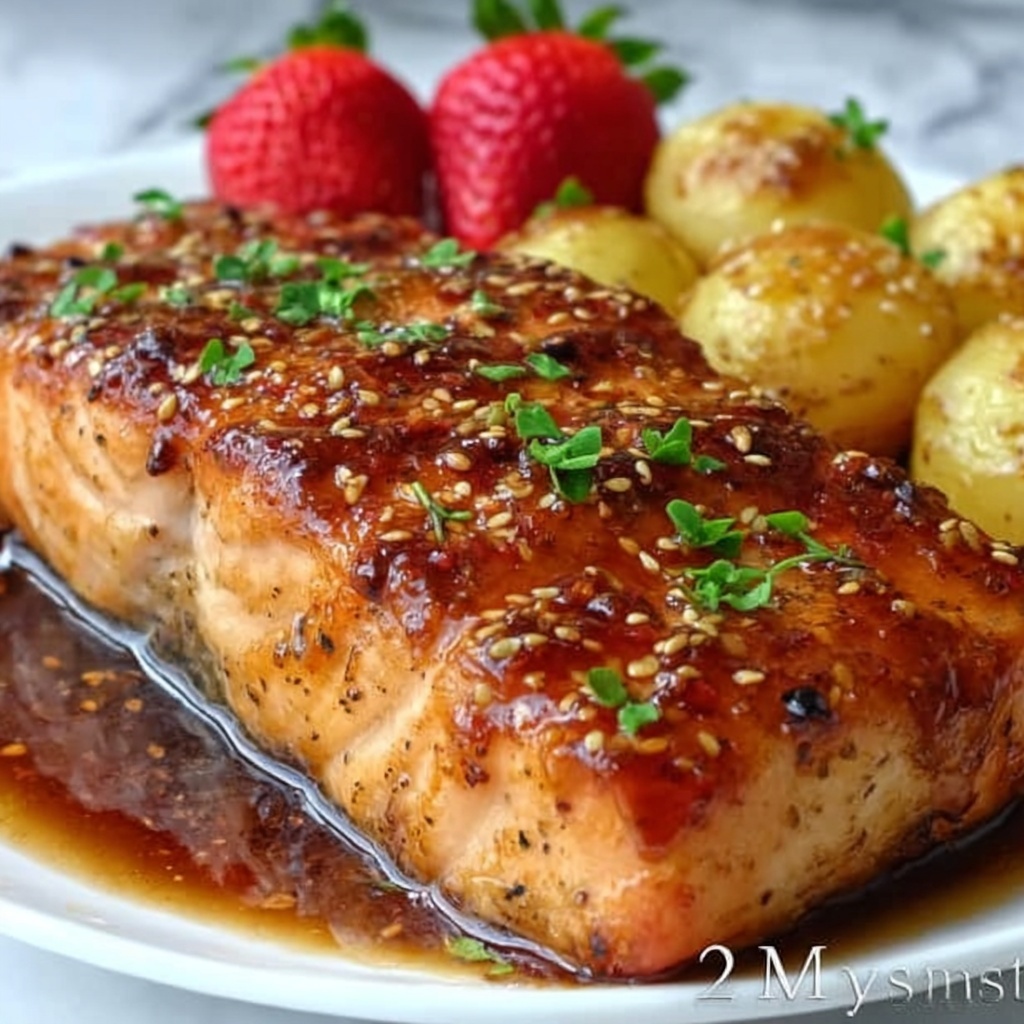
If you’re craving a dish that’s both effortless and bursting with flavor, the Salmon with Brown Sugar Glaze Recipe is going to become your new best friend in the kitchen. This recipe marries the rich, tender texture of salmon with a perfectly balanced glaze that combines sweetness from brown sugar, a hint of tang from Dijon mustard, and a savory kick from soy sauce and garlic. The result is a beautiful, glossy finish that enhances every bite, making it an ideal meal for both weeknight dinners and impressing guests without stress.
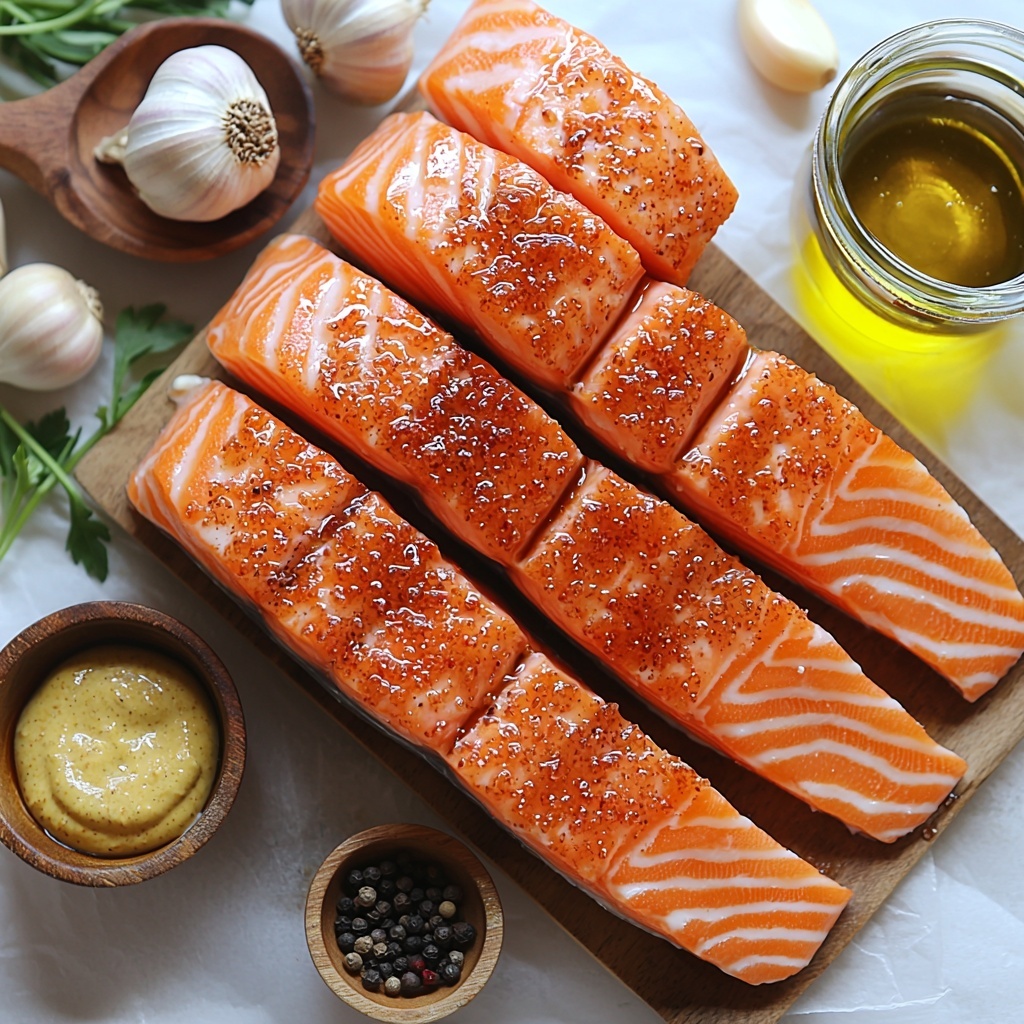
Ingredients You’ll Need
Gathering the right ingredients is the first step to nailing this Salmon with Brown Sugar Glaze Recipe. Each component is simple yet vital, working together to create that irresistible balance of flavors and a wonderfully caramelized glaze that clings to the salmon.
- 4 6-ounce salmon fillets: Choose fresh, high-quality fillets for the best taste and texture.
- 3 tablespoons brown sugar: Adds the essential sweetness that caramelizes beautifully during baking.
- 2 tablespoons soy sauce: Brings depth and umami to balance the sugar’s sweetness.
- 1 tablespoon Dijon mustard: Provides a mild tang that cuts through the richness of the salmon.
- 1 tablespoon olive oil: Helps the glaze meld together and keeps the salmon moist.
- 2 garlic cloves minced: Infuses the dish with a fragrant warmth and aromatic boost.
- 0.5 teaspoon black pepper: Adds a subtle spicy note to round out the flavors.
How to Make Salmon with Brown Sugar Glaze Recipe
Step 1: Prepare Your Oven and Baking Sheet
Start by preheating your oven to 400°F (200°C). This temperature is perfect for cooking the salmon quickly while allowing the glaze to caramelize without burning. Line a baking sheet with parchment paper or lightly grease it to prevent sticking and make for an easy cleanup.
Step 2: Whisk Together the Glaze
In a small bowl, combine the brown sugar, soy sauce, Dijon mustard, olive oil, minced garlic, and black pepper. Whisk them until you have a smooth, well-blended glaze. This step is crucial because it ensures every salmon fillet gets coated evenly with all those delicious layers of flavor.
Step 3: Glaze the Salmon Fillets
Place the salmon fillets skin-side down on your prepped baking sheet. Spoon the glaze generously over the tops of each fillet so that it’s well covered. The glaze will melt and caramelize during baking, giving that gorgeous shine and that sweet-savory punch.
Step 4: Bake to Perfection
Bake the salmon in the preheated oven for 12 to 15 minutes, depending on the thickness of your fillets. You’ll know it’s done when the salmon flakes easily with a fork and the glaze is bubbling and slightly caramelized on top. The result is perfectly tender fish with a fantastic sticky glaze.
Step 5: Serve and Enjoy
Once baked, serve your salmon immediately while it’s still warm. Don’t forget to spoon any excess glaze from the baking sheet over the top – it’s packed with flavor and makes every bite even better.
How to Serve Salmon with Brown Sugar Glaze Recipe
Garnishes
A simple sprinkle of freshly chopped parsley or thinly sliced green onions adds a pop of color and fresh herbal brightness that complements the caramelized glaze beautifully. For a bit of crunch and extra zing, consider toasted sesame seeds or a squeeze of fresh lemon juice right before eating.
Side Dishes
This Salmon with Brown Sugar Glaze Recipe pairs wonderfully with a variety of sides. Steamed or roasted vegetables like asparagus or broccoli provide a crisp, healthy contrast. For something heartier, serve it alongside garlic mashed potatoes or a fluffy quinoa salad to soak up that amazing glaze.
Creative Ways to Present
Presenting your salmon on a rustic wooden board with lemon wedges and a scattering of fresh herbs turns a simple meal into a special occasion. Alternatively, flake the glazed salmon over a bed of mixed greens or grain bowls to bring a fresh and vibrant twist that’s perfect for lunch or dinner.
Make Ahead and Storage
Storing Leftovers
If you’re lucky enough to have leftovers, store them in an airtight container in the refrigerator. The salmon will keep well for up to 2 days, though it’s best enjoyed fresh to retain that luscious glaze texture.
Freezing
Freezing the cooked salmon with glaze isn’t recommended because the texture and flavor of the glaze can suffer. However, you can freeze uncooked salmon fillets separately and prepare the glaze fresh when you’re ready to cook.
Reheating
To reheat the salmon without drying it out, warm it gently in a low oven (about 275°F or 135°C) for 10-15 minutes, or use a microwave in short bursts, covering it to retain moisture. Spoon any reserved glaze back on top to rejuvenate that irresistible shine and flavor.
FAQs
Can I use other types of fish for this recipe?
Absolutely! While this Salmon with Brown Sugar Glaze Recipe is designed for salmon, you can try it on other firm, fatty fish such as trout or even halibut. Just adjust the baking time based on thickness.
Is it possible to make the glaze spicier?
Yes! Adding a pinch of red pepper flakes or a splash of hot sauce to the glaze mix can give your salmon a subtle kick without overpowering the sweetness.
Can I prepare the glaze ahead of time?
Definitely. The glaze can be whisked together a day in advance and kept covered in the refrigerator. Just bring it to room temperature before applying to your salmon for easier spreading.
What’s the best way to tell when salmon is cooked?
Look for the salmon to flake easily with a fork and have an opaque appearance throughout. The glaze should be bubbling and slightly caramelized for that perfect finishing touch.
Can I use light brown sugar instead of dark brown sugar?
Yes, light brown sugar works just as well in this Salmon with Brown Sugar Glaze Recipe. It will produce a slightly milder molasses flavor but still create that wonderful caramelized glaze.
Final Thoughts
This Salmon with Brown Sugar Glaze Recipe brings together such a delightful blend of flavors that it’s sure to become a regular in your cooking repertoire. Whether you’re looking for a quick dinner fix or something that feels a little special, this dish fits the bill perfectly. Give it a try and enjoy the warmth and satisfaction it brings to your table.
Print
Salmon with Brown Sugar Glaze Recipe
- Prep Time: 5 minutes
- Cook Time: 15 minutes
- Total Time: 20 minutes
- Yield: 4 servings
- Category: Main Course
- Method: Baking
- Cuisine: American
Description
This Salmon with Brown Sugar Glaze recipe features tender, flaky salmon fillets baked to perfection with a sweet and savory glaze of brown sugar, soy sauce, Dijon mustard, olive oil, and garlic. Quick to prepare and bursting with flavor, it’s an ideal weeknight dinner that pairs well with a variety of sides.
Ingredients
Salmon Fillets
- 4 salmon fillets, 6 ounces each
Brown Sugar Glaze
- 3 tablespoons brown sugar
- 2 tablespoons soy sauce
- 1 tablespoon Dijon mustard
- 1 tablespoon olive oil
- 2 garlic cloves, minced
- 0.5 teaspoon black pepper
Instructions
- Preheat Oven: Preheat your oven to 400°F (200°C). Line a baking sheet with parchment paper or lightly grease it to prevent sticking.
- Prepare Glaze: In a small bowl, whisk together brown sugar, soy sauce, Dijon mustard, olive oil, minced garlic, and black pepper until the mixture is smooth and well combined.
- Apply Glaze: Arrange the salmon fillets on the prepared baking sheet. Spoon the brown sugar glaze evenly over the tops of each fillet, ensuring full coverage for maximum flavor.
- Bake Salmon: Bake the salmon in the preheated oven for 12 to 15 minutes, depending on fillet thickness, until the fish flakes easily with a fork and the glaze starts to bubble and caramelize.
- Serve: Remove from the oven and serve immediately. Optionally, spoon any remaining glaze that has pooled on the baking sheet over the salmon for extra taste.
Notes
- For best results, choose salmon fillets of similar size to ensure even cooking.
- Adjust the cooking time slightly if fillets are thicker or thinner than 6 ounces.
- This glaze also works well with other fish like cod or trout.
- To make it gluten free, use gluten free soy sauce.
- Serve with steamed vegetables, rice, or a fresh salad for a balanced meal.