Description
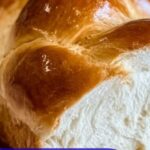
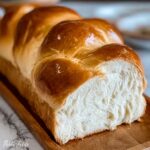
This Soft Fluffy French Bread recipe delivers a light, airy loaf with a golden, glossy crust. Perfect for sandwiches or alongside your favorite meals, this homemade bread uses simple ingredients and basic techniques to yield bakery-quality results. With a gentle yeast activation, careful kneading, and a two-step rising process, the bread develops wonderful texture and flavor, while the egg wash adds an attractive finish.
Ingredients
Scale
For the Dough
- 2.5–3 cups all-purpose flour
- 1 cup warm water
- 1 tablespoon olive oil or vegetable oil
- 1 tablespoon white granulated sugar
- 1 teaspoon salt
- 2 teaspoons active dry yeast
For Brushing
- 1 egg, beaten (for brushing)
Instructions
- Activate Yeast: In a small bowl, combine the warm water and sugar. Sprinkle the active dry yeast over the top and let the mixture sit undisturbed for 5 minutes, or until it becomes frothy, indicating that the yeast is activated and ready to use.
- Mix Dry Ingredients: In a large mixing bowl, whisk together the all-purpose flour and salt, ensuring even distribution of the salt throughout the flour.
- Combine Wet and Dry Ingredients: Pour the activated yeast mixture and olive or vegetable oil into the bowl with the dry ingredients. Stir everything together until a soft dough forms, adding more flour if the dough feels too sticky to handle.
- Knead Dough: Transfer the dough onto a lightly floured surface and knead it for 8 to 10 minutes. Work the dough until it is smooth and elastic, which helps develop gluten for the bread’s structure.
- First Rise: Lightly grease a bowl with oil, place the dough inside, and cover with a clean cloth or plastic wrap. Let it rise in a warm place for 1 hour or until the dough doubles in size, allowing fermentation to develop flavor and texture.
- Shape & Second Rise: Gently punch down the risen dough to release excess gas. Shape it into a loaf and place it on a baking sheet lined with parchment paper. Cover it again and let it rise for an additional 30 minutes, letting it puff up before baking.
- Preheat Oven & Prepare Egg Wash: Preheat your oven to 375°F (190°C). Brush the top of the loaf with the beaten egg to create a shiny, golden crust during baking.
- Bake: Place the loaf in the preheated oven and bake for 20 to 25 minutes, until the crust turns golden brown and the loaf sounds hollow when tapped on the bottom, indicating it is thoroughly baked.
- Cool: Remove the baked bread from the oven and transfer it to a wire rack. Allow it to cool completely before slicing to ensure the interior texture sets properly.
Notes
- Using warm water is crucial to activate the yeast without killing it—aim for about 105°F to 110°F (40°C to 43°C).
- The amount of flour can vary; add gradually to avoid a dry or overly sticky dough.
- If you don’t have an egg, you can brush the loaf with milk or melted butter for a softer crust.
- For extra flavor, you can add herbs like rosemary or garlic powder to the dough.
- Make sure the dough doubles in size during rising for optimal texture and softness.
- Store leftover bread in an airtight container or wrap to keep it fresh for up to 2 days; slice and freeze for longer storage.