“`html
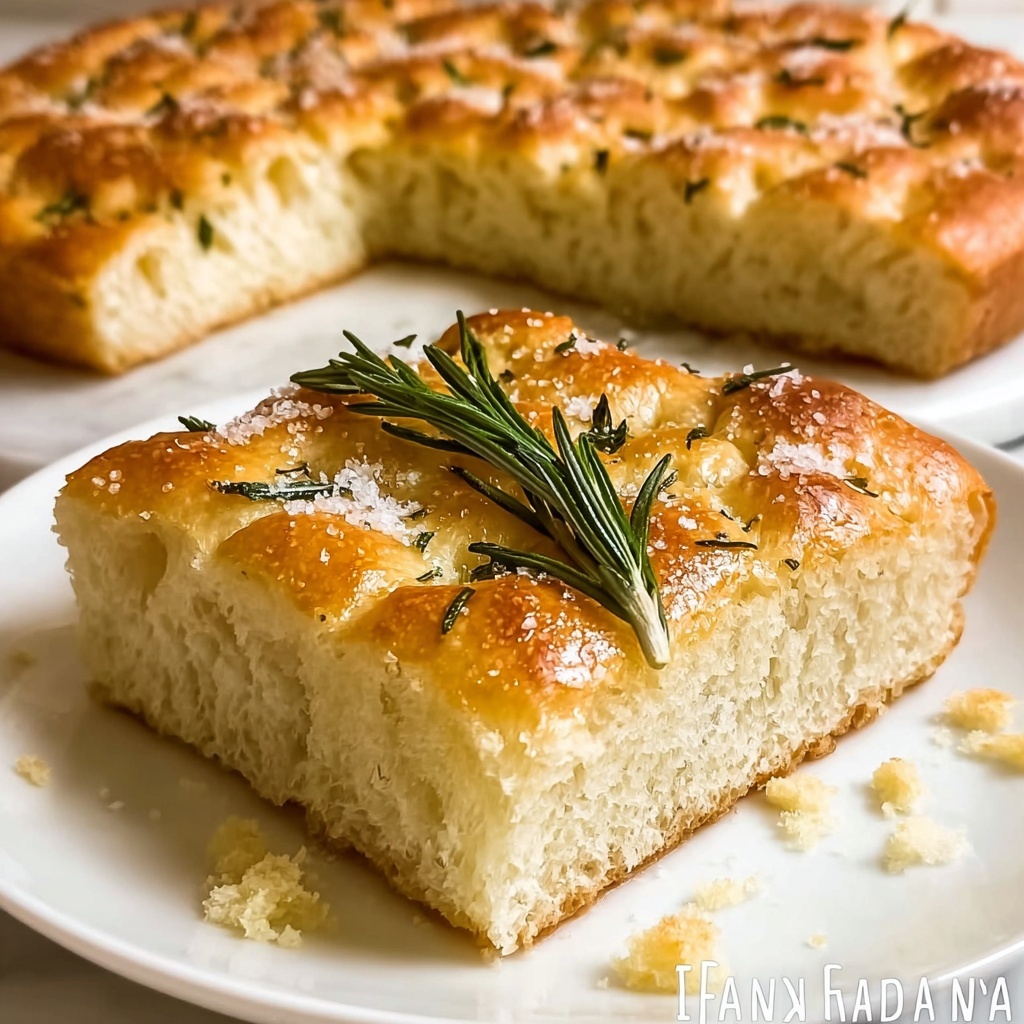
If you have been searching for the perfect comfort bread that fills your kitchen with an irresistible aroma while offering a crusty exterior and tender, airy crumb inside, look no further. Rosemary Focaccia: 7 Reasons to Bake This Divine Bread Recipe is exactly what your baking soul needs. This rustic Italian bread, infused with fresh rosemary and sprinkled generously with sea salt, is not just delicious but also incredibly satisfying to make. Each bite transports you to sunlit Mediterranean afternoons and invites you to savor a simple yet extraordinary flavor combination that feels both elegant and homey.
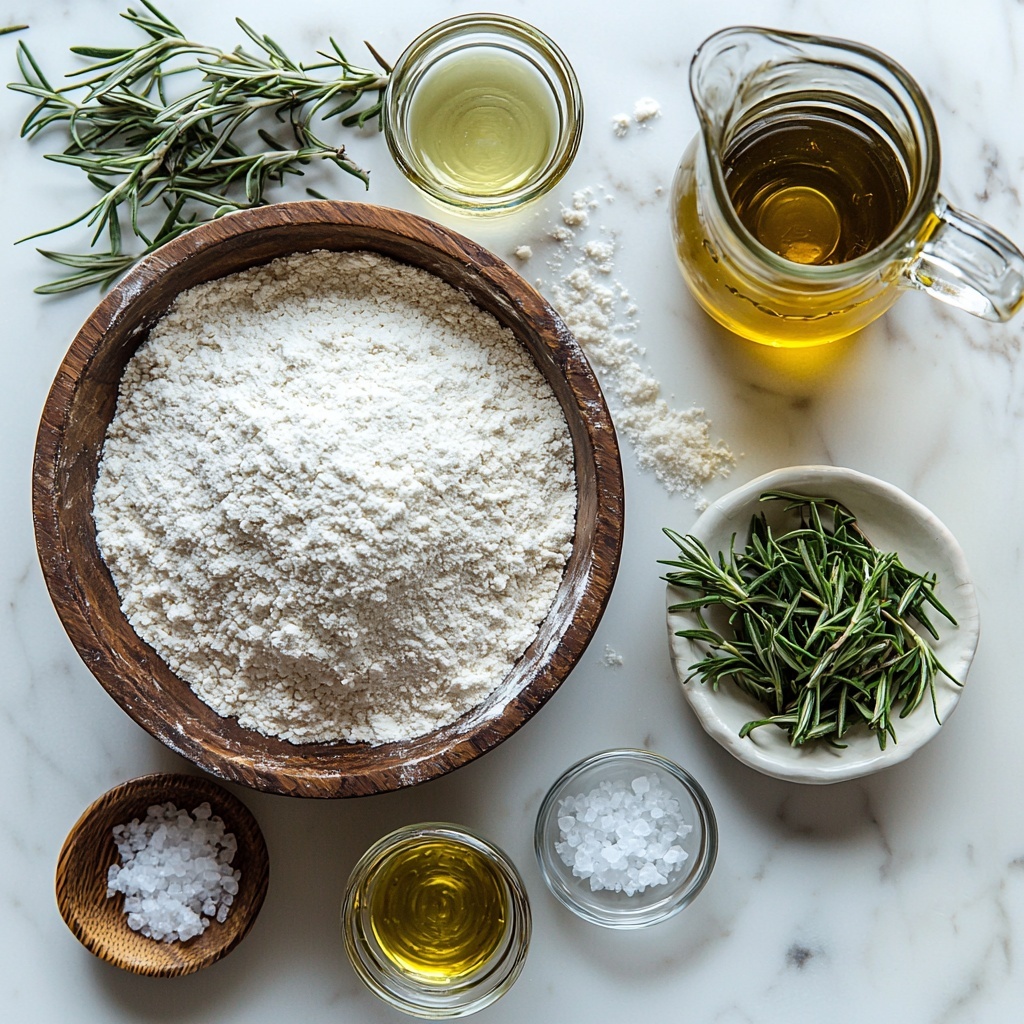
Ingredients You’ll Need
Don’t let the simplicity of this ingredient list fool you; every component plays a vital role in crafting the perfect rosemary focaccia. From the foundational flour to the fragrant fresh rosemary, these essentials come together beautifully to create a bread that’s golden, flavorful, and melt-in-your-mouth delightful.
- 4 cups all-purpose flour: The backbone of the focaccia, providing structure and a tender crumb.
- 2 teaspoons salt: Enhances flavor and balances the dough.
- 1 tablespoon sugar: Feeds the yeast and adds subtle sweetness for browning.
- 2 teaspoons instant yeast: The magic agent that gives your focaccia its airy rise.
- 1 3/4 cups warm water: Activates the yeast and hydrates the flour perfectly.
- 1/4 cup olive oil: Infuses richness while creating that wonderfully crisp crust.
- 2 tablespoons fresh rosemary, chopped: Aromatic and savory, this herb is the signature flavor hero.
- Sea salt for topping: Adds a delightful crunchy, salty contrast to the softness beneath.
How to Make Rosemary Focaccia: 7 Reasons to Bake This Divine Bread Recipe
Step 1: Mix Dry Ingredients
Start by combining your all-purpose flour, salt, sugar, and instant yeast in a large mixing bowl. This ensures even distribution of the leavening agent and salt, setting the stage for an even rise and balanced flavor.
Step 2: Add Liquids and Form Dough
Pour in the warm water and olive oil, then mix until a rough dough begins to form. The warmth of the water is crucial to waking up the yeast gently without killing it, while the olive oil adds moisture and tenderizes the dough.
Step 3: Knead Until Smooth and Elastic
Transfer your dough onto a floured surface and knead it for about 10 minutes. This hands-on step develops gluten, resulting in that pleasantly chewy texture focaccia is loved for. It’s a fantastic time to connect with your dough and anticipate the delicious bread to come.
Step 4: Let the Dough Rise
Once kneaded, place the dough in a greased bowl and cover it with a cloth. Let it sit for 1 hour in a warm spot until it doubles in size. Watching this transformation is one of the most rewarding parts of baking bread—it’s like magic happening right before your eyes.
Step 5: Prepare for Baking
Preheat your oven to 425°F (220°C). Meanwhile, transfer the risen dough to a greased baking sheet. Using your fingers, gently press into the dough to create characteristic dimples, which will hold those gorgeous pools of olive oil and toppings beautifully during baking.
Step 6: Add Flavorful Toppings
Sprinkle the chopped fresh rosemary evenly across the dough, followed by a generous pinch of coarse sea salt. This combination not only adds vibrant color but also layers of herbal aroma and a delightful crunch to every bite.
Step 7: Bake Until Golden
Bake your focaccia for 20 to 25 minutes, or until its crust turns a stunning golden brown. The smell wafting through your kitchen is a preview of the deliciousness soon to come. Allow the bread to cool slightly before slicing to preserve its soft interior.
How to Serve Rosemary Focaccia: 7 Reasons to Bake This Divine Bread Recipe
Garnishes
Fresh rosemary sprigs or a light drizzle of high-quality extra virgin olive oil right before serving elevate your focaccia to a sensory delight. You can also experiment with adding thinly sliced garlic or lemon zest for a fresh twist that enhances its herbal notes.
Side Dishes
This savory bread pairs beautifully with a variety of dishes. Think alongside hearty soups, vibrant salads, or classic Italian antipasti. It also makes an irresistible companion to cheeses and charcuterie spreads, perfect for casual gatherings or elegant dinners.
Creative Ways to Present
Slice your focaccia into thick squares for dipping into flavored oils or balsamic vinegar, or cut into strips for an easy-to-share appetizer. Adding sun-dried tomatoes or olives to the dough before baking creates a flavorful variation that keeps this recipe fresh and exciting.
Make Ahead and Storage
Storing Leftovers
Rosemary focaccia is best enjoyed fresh, but if you have leftovers, store them in an airtight container at room temperature for up to 3-4 days. This ensures the bread remains soft inside while keeping its crust pleasantly crisp.
Freezing
For longer storage, wrap the focaccia tightly in plastic wrap and foil, then freeze for up to 2 months. When you’re ready to enjoy, thaw it overnight in the fridge for the best texture, then reheat to refresh its warmth and aroma.
Reheating
Reheat your focaccia in a preheated 350°F (175°C) oven for about 10 minutes. This revives the bread’s golden crust and soft crumb, making each bite taste as if it has just come out of the oven.
FAQs
Can I use dried rosemary instead of fresh?
While fresh rosemary offers a vibrant, fragrant flavor that truly shines in this recipe, dried rosemary can be used in a pinch. Use about one-third of the amount and sprinkle it on top sparingly to avoid overpowering the bread.
What type of flour works best for focaccia?
All-purpose flour, as used in this recipe, strikes the perfect balance for texture and rise. However, bread flour can be substituted if you prefer a chewier texture due to its higher protein content.
Can I make rosemary focaccia gluten-free?
Gluten-free flours can be tricky with focaccia since gluten development is key to its airy texture. If you want to try, use a gluten-free flour blend designed for bread and add xanthan gum to mimic gluten’s elasticity.
Is it necessary to create dimples in the dough?
Yes! Those dimples are traditional and functional—they keep the dough from puffing up unevenly during baking and hold the olive oil and sea salt, infusing flavor throughout the bread.
How do I know when the focaccia is fully baked?
Look for a deep golden-brown crust and a slightly hollow sound when you tap the bottom of the bread. The baking time of 20-25 minutes at 425°F usually gets the balance just right.
Final Thoughts
There is something truly special about pulling a golden, herb-scented Rosemary Focaccia from your oven and sharing it with those you love. Whether you are a seasoned baker or just starting out, Rosemary Focaccia: 7 Reasons to Bake This Divine Bread Recipe invites you to experience the joy of homemade bread that’s simple, flavorful, and endlessly rewarding. So grab your ingredients, get those hands ready for kneading, and let this delightful recipe fill your kitchen with warmth and deliciousness!
“`
Print
Rosemary Focaccia: 7 Reasons to Bake This Divine Bread Recipe
- Prep Time: 20 minutes
- Cook Time: 25 minutes
- Total Time: 1 hour 45 minutes
- Yield: 12 servings
- Category: Bread
- Method: Baking
- Cuisine: Italian
- Diet: Vegetarian
Description
This Rosemary Focaccia recipe offers a fluffy, golden-brown Italian bread infused with fragrant fresh rosemary and topped with crunchy sea salt. Perfect as a savory snack or accompaniment to meals, it’s a delightful homemade bread that’s easy to prepare and sure to impress.
Ingredients
Dry Ingredients
- 4 cups all-purpose flour
- 2 teaspoons salt
- 1 tablespoon sugar
- 2 teaspoons instant yeast
Wet Ingredients
- 1 3/4 cups warm water
- 1/4 cup olive oil
Toppings
- 2 tablespoons fresh rosemary, chopped
- Sea salt for topping
Instructions
- Combine dry ingredients: In a large bowl, mix together the flour, salt, sugar, and instant yeast until evenly distributed.
- Add wet ingredients: Pour in the warm water and olive oil, then mix until a rough dough begins to form.
- Knead the dough: Place the dough on a floured surface and knead for about 10 minutes until it becomes smooth and elastic.
- First rise: Lightly grease a large bowl, place the dough inside, and cover it with a clean cloth. Let it rise in a warm place for 1 hour or until it has doubled in size.
- Preheat oven: Set your oven to 425°F (220°C) to heat while the dough finishes rising.
- Shape the dough: Transfer the risen dough to a greased baking sheet. Use your fingers to press dimples all over the surface of the dough, creating the classic focaccia texture.
- Add toppings: Sprinkle the chopped fresh rosemary evenly across the top, then dust with sea salt for flavor and crunch.
- Bake: Place the baking sheet in the preheated oven and bake for 20-25 minutes, or until the focaccia turns golden brown and sounds hollow when tapped.
- Cool and serve: Allow the focaccia to cool on a wire rack before slicing to retain its airy texture and flavor.
Notes
- Use warm water around 110°F (43°C) to activate the yeast properly without killing it.
- Kneading time is essential for gluten development which gives the bread structure.
- Feel free to add other toppings like olives or caramelized onions for variation.
- Store leftover focaccia in an airtight container for up to 2 days or freeze for longer storage.
- Letting the dough rise in a warm, draft-free area aids in better fermentation.